
Reviewed · CASTLE & PALACE TOURS
Kolding: Koldinghus Palace Entry Ticket
Koldinghus is not a polished fairy-tale castle. It is something more interesting: a 750-year-old royal fortress whose fire-damaged walls now frame a bold modern museum. You can walk through grand historic spaces, see how the ruins were preserved, and climb the Giants’ Tower for broad views over Kolding, the fjord, and the castle lake.
I like the award-winning restoration and the freedom to explore at your own pace. I also like the royal dress-up workshop, which gives children a reason to look closely rather than simply race through the rooms. The main drawback is that a guided tour is not included, and some international visitors may find the available translations limited, especially if they do not read Danish or English.
Key points to know before you go
- A castle with a dramatic past: Koldinghus began as a border fortress in 1268 and later became one of Denmark’s most important royal castles.
- Ruins meet modern design: The late 1970s restoration kept the fire-damaged walls instead of rebuilding the castle as a replica.
- The Giants’ Tower has the best outlook: From the tower, you can see Kolding, the fjord, and the castle lake.
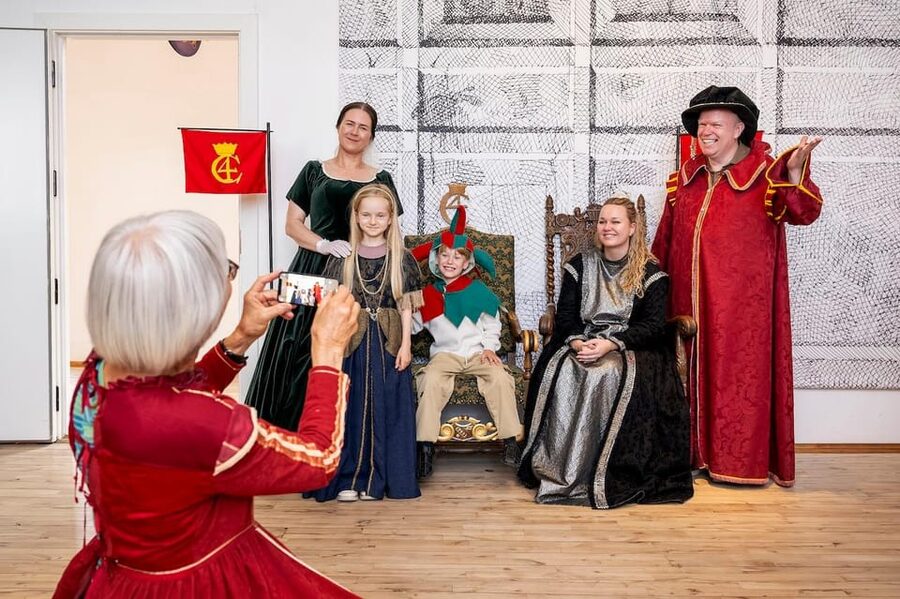
- Good for families: The royal dress-up workshop adds a hands-on element, and the castle has earned praise for being enjoyable for children.
- Entry covers the main experience: Your ticket includes the palace and all exhibitions, but you arrange any guided tour separately.
- Plan around a meal: Madkælderen offers a place to eat after exploring, though lunch is not part of the entry ticket.
Why Koldinghus feels different from a restored palace
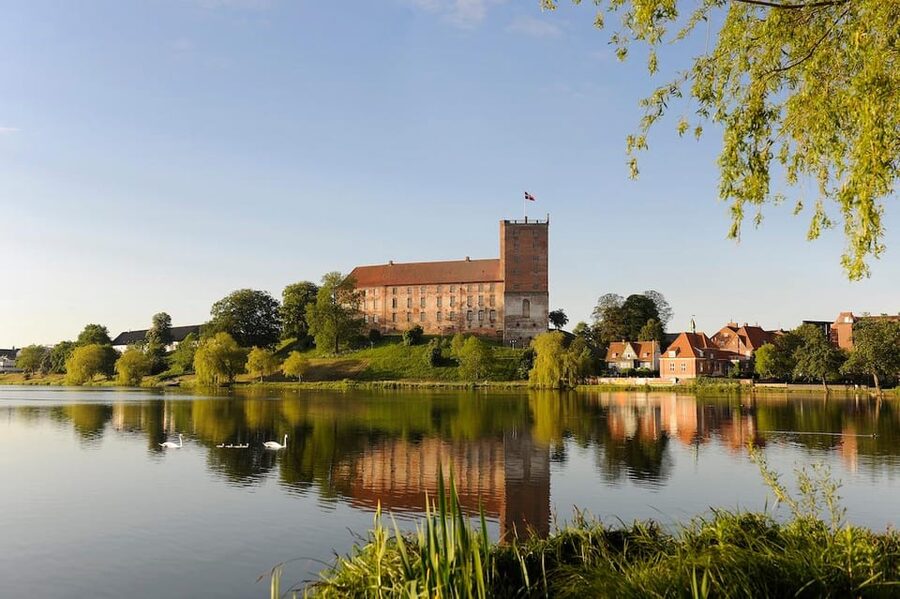
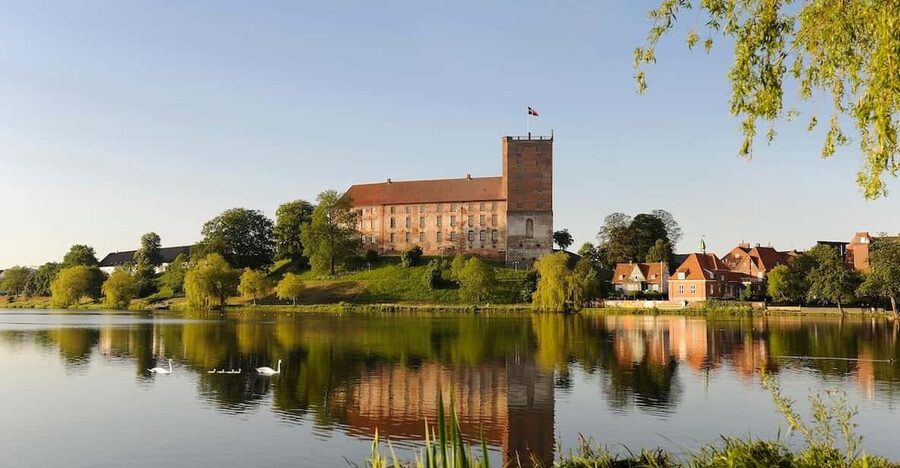
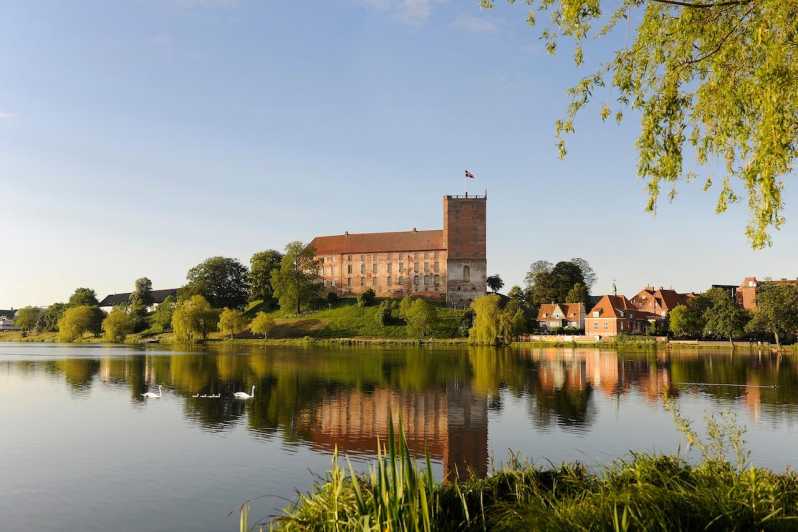
Koldinghus occupies the top of a castle mound above Kolding. Even before you enter, the setting explains its original purpose. This was a place built to watch the kingdom’s southern border, not merely a comfortable residence for royalty.
The castle dates to 1268. For centuries, it served as one of Denmark’s most important royal castles. That long role gives the site weight, but Koldinghus is not presented as a perfectly reconstructed medieval building. Its power comes from the contrast between old masonry and modern restoration.
A fire in 1808 caused severe damage while Spanish soldiers were billeted at the castle. The Giants’ Tower collapsed, crushing the castle chapel. For many years, Koldinghus remained a romantic ruin. That period of neglect is part of what you see today.
I find this approach more honest than rebuilding every missing detail. You can read the age of the place in the walls, while the modern additions make the rooms usable and safe. The result is a museum that lets you see both the medieval fortress and the later royal residence without pretending that time has not passed.
More castles and palaces from Denmark
- Copenhagen: Kronborg, Frederiksborg Castle and Roskilde Tour
★ 4.9 · 1,763 reviews - Copenhagen: Rosenborg Castle Entry Ticket
★ 4.6 · 381 reviews - Full-Day; Castle, Palace, Cathedral & Viking ships Tour
★ 5.0 · 326 reviews
The approach to the castle mound
Your first impression comes from the approach. Koldinghus sits high above the town, so the castle has an imposing profile as you draw near. The position is not a small detail. It helps you understand why this spot mattered in the first place.
Once inside, give yourself time to look at the structure before focusing on exhibitions. The thick walls, open sections, and surviving rooms show how the fire changed the building. You are not walking through a single period of history. You are moving through layers of construction, damage, preservation, and modern museum work.
The palace entry ticket is valid for one day, so you do not need to compress everything into a short visit. That is useful if you want to study the architecture, take a meal at Madkælderen, and return to an exhibition or workshop afterward.
There is no guided tour included. If you want every historical detail explained as you go, this ticket gives you less structure than a guided visit. If you prefer to stop where you like and spend extra time in the rooms that interest you, the independent format is a strength.
The restoration: old walls with a modern interior
The restoration is the central reason to visit Koldinghus. Architects Inger and Johannes Exner directed the final restoration in the late 1970s. Rather than reconstructing the destroyed parts in a conventional style, they worked with what remained.
That choice is clearest in the former chapel. Christian IV created the castle chapel around 1600, but the 1808 fire and the collapse of the Giants’ Tower destroyed much of it. Today, the four walls remain, while lighting suggests the shape and presence of the lost architecture.
This is a clever solution. You can stand in a room that feels both empty and powerful. The lighting does not replace the chapel, and it does not claim to show an exact reconstruction. Instead, it helps you picture what once occupied the space.
I would give the restoration time rather than treating it as a passage between exhibitions. The work is easy to miss if you focus only on objects and displays. Look up, notice the way the old walls meet the newer structure, and consider how much of the experience comes from the building itself.
Some people want a castle that looks complete. If that is your expectation, Koldinghus may feel unfinished. If you enjoy seeing how historic buildings are preserved without being disguised, the restoration is one of the strongest parts of the visit.
Exhibitions and the royal dress-up workshop
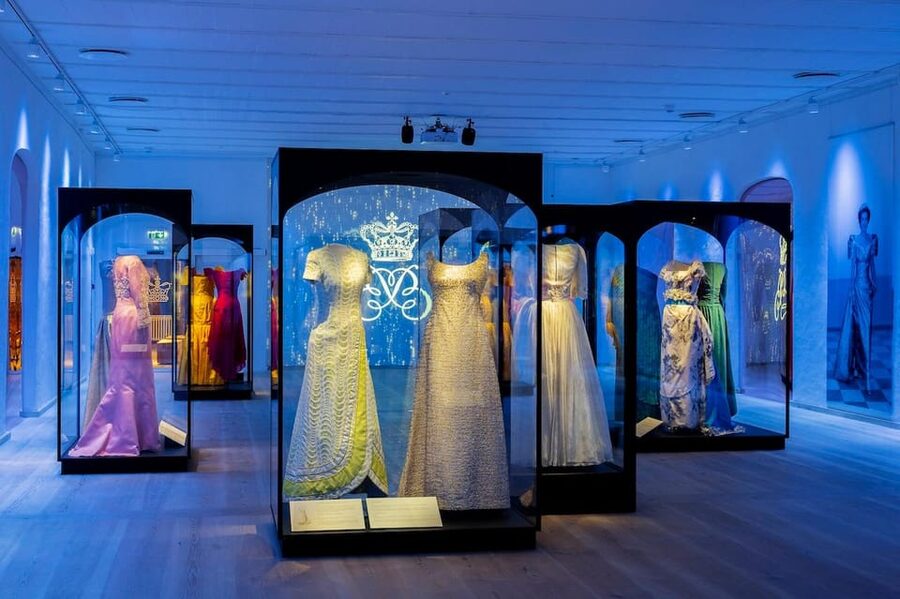
Your entry includes the palace and all exhibitions on display during your visit. The exhibitions change, so the exact subject matter will depend on the date you go. This makes Koldinghus more than a one-look monument, especially if you are already interested in Danish royal culture and historic buildings.
The museum setting also helps you understand the castle as a working place, not just a scenic ruin. You see rooms and halls in the context of changing royal use, later destruction, and modern conservation.
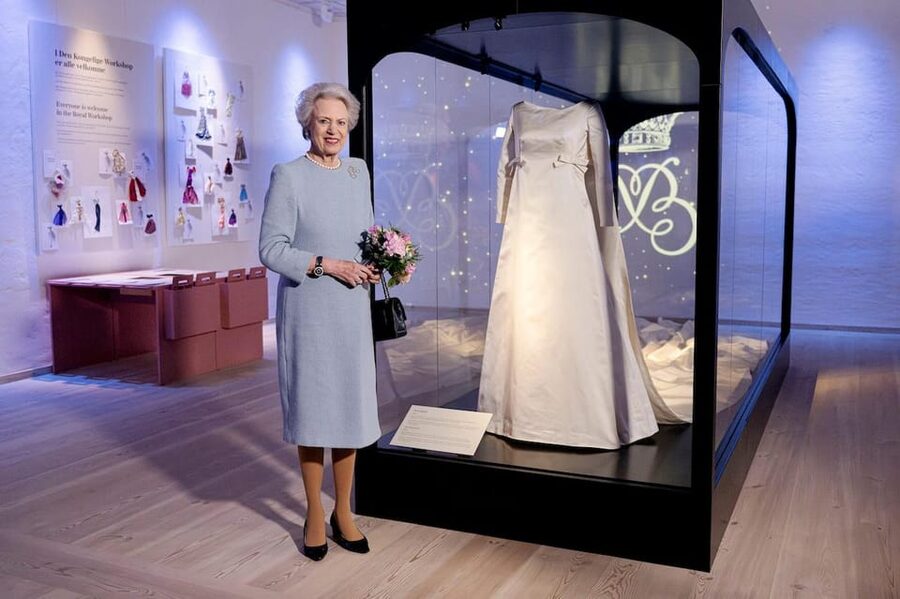
Families should make time for the royal dress-up workshop. It gives children an active way to connect with the castle’s royal past. The feature has also made the experience especially appealing for children, according to the strong family response in the available feedback.
That does not mean every part of Koldinghus is designed for children. The architecture and restoration require patience, and younger children may not want to spend equal time in every room. The dress-up area works best as part of a visit that balances looking, moving, and doing.
For adults, the exhibitions provide a reason to return attention to the castle after the first visual impact. You can enjoy the building, then use the displays to add context. Because the ticket covers all exhibitions, you do not need to choose between the historic rooms and the museum program.
More tickets worth booking ahead in Denmark
- Copenhagen: Home of Carlsberg Experience Entry Ticket
★ 4.7 · 1,009 reviews - Copenhagen: National Museum of Denmark Entry Ticket
★ 4.5 · 960 reviews - Copenhagen: Copenhagen Zoo Entry Ticket
★ 4.6 · 708 reviews - Copenhagen: Amalienborg Palace Museum Entry Ticket
★ 4.3 · 291 reviews
The Giants’ Tower and the castle views
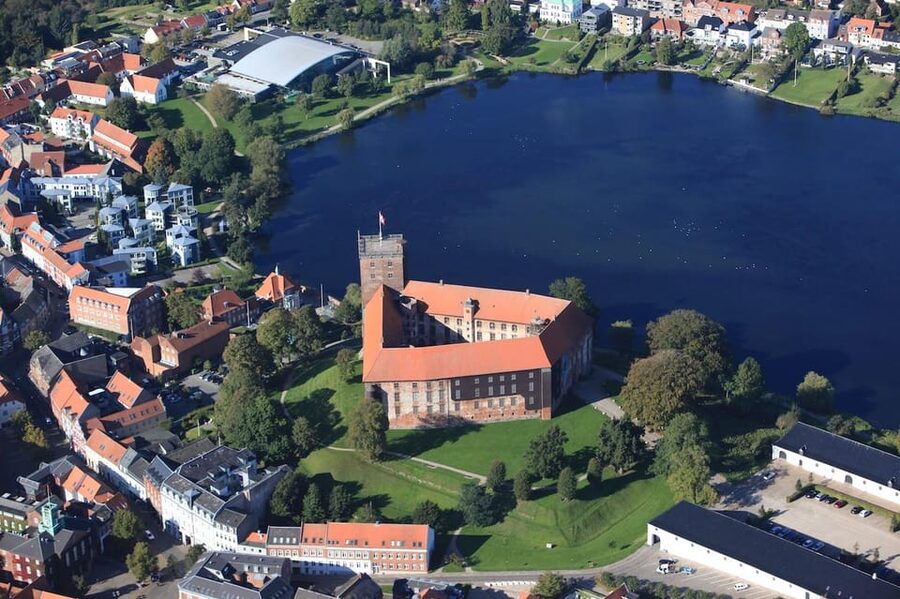
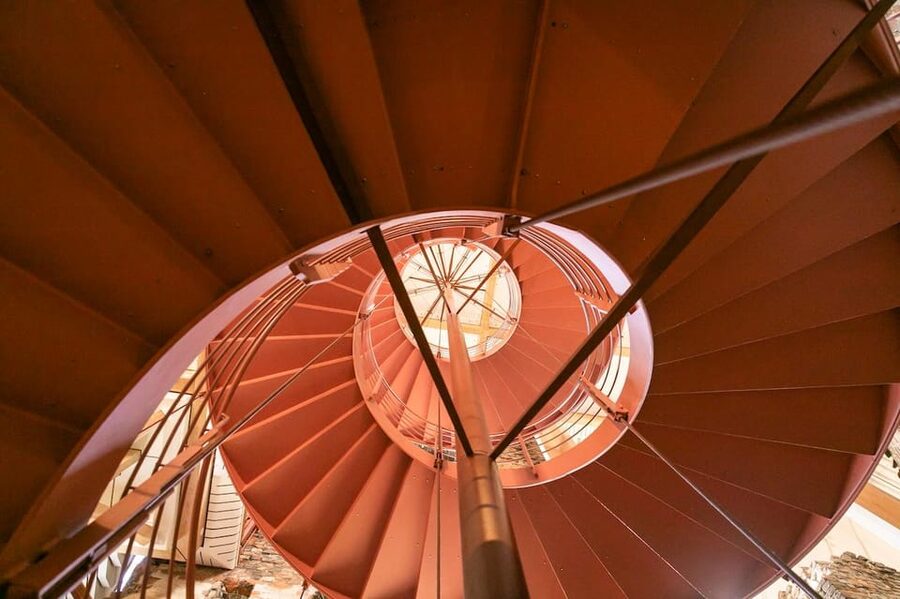
The Giants’ Tower is one of the clearest highlights. The tower collapsed in the 1808 fire, but the restored castle now gives you the chance to visit the tower area and look across the surrounding views.
From up there, you can see Kolding, the fjord, and the castle lake. The view helps connect the castle to its setting. From the ground, Koldinghus can feel like an isolated historic site. From the tower, you understand its position above the town and the reason the castle mound was so useful.
I would save the tower for a deliberate stop rather than treating it as a quick photo point. It works well near the end of your visit, after you have seen the walls and exhibitions. The upward trip also gives the visit a natural high point.
The tower is not a substitute for the castle itself. If you only want a viewpoint, the admission price may feel high. Its value comes from the combination of the view, the damaged structure, and the story of the collapsed tower and chapel.
A practical break at Madkælderen
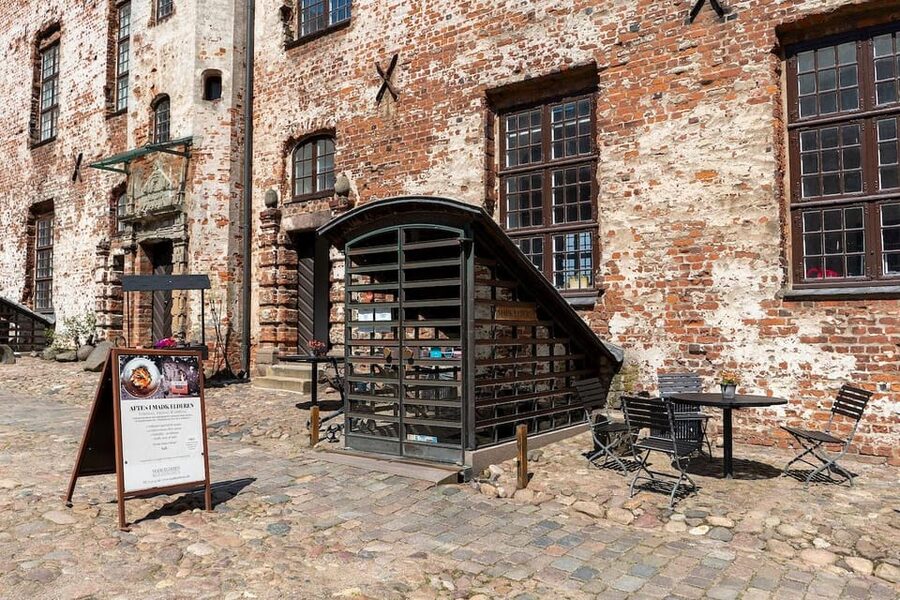
Madkælderen gives you a place to have lunch during your castle visit. This matters because Koldinghus is suited to a slow, full-day visit rather than a rushed stop between other sights.
A meal can divide your visit into two parts. Explore the castle and exhibitions first, take a break, then return to the spaces you passed quickly. Since the ticket is valid for one day, you have room to build the visit around your own pace.
Lunch is not included in the ticket, so allow for that extra cost. The same applies to any purchases connected with the visit. The ticket includes entry to the palace and exhibitions, not a meal or a guided tour.
Food and drinks are not allowed inside the castle areas. You should finish or store them before entering, and large bags and oversized luggage are also not permitted. Assistance dogs are allowed, while pets are not.
Is the $21 entry fee good value?
At $21 per person, Koldinghus is not a bargain stop in the sense of a quick, inexpensive look at an old building. The value depends on how much time you give it.
The price includes the palace and all exhibitions, and the ticket remains valid for one day. That is a fair package if you plan to examine the restoration, visit the exhibitions, use the dress-up workshop, and take in the Giants’ Tower. It is less convincing if you expect a short self-guided walk through a few rooms.
I think the ticket works best for three types of visitor. First, anyone interested in Danish royal history will find enough substance to justify the admission. Second, families can make good use of the dress-up workshop and the open-ended format. Third, architecture fans will appreciate the decision to preserve the ruin rather than turn it into a false period reconstruction.
The fee does not include a guided tour. That keeps the basic ticket simpler, but it also means you must get the most from the written displays and the building itself. If a guide is important to you, check separately for tour options before booking.
Language and presentation
Koldinghus has an international appeal, but language support may shape your experience. A French-speaking visitor found the castle beautiful and well maintained but wanted more French translations. If French is your main language, check what information is available on your date before you commit to a long visit.
The ticket information does not identify a specific guide, and no guide is included. You should therefore plan for an independent visit rather than expecting a named expert to lead you through the rooms.
That format can be perfectly comfortable if you like reading, looking, and setting your own pace. It is less suitable if you want a continuous spoken explanation of Danish history. The castle itself communicates a great deal through its scale, walls, and views, but the depth of interpretation may vary with the language you understand.
Who should book Koldinghus?
I would recommend Koldinghus to you if you like historic buildings that show their scars. The fire, the collapsed tower, and the surviving chapel walls are not side notes. They shape the entire visit.
It is also a strong choice for families who want more than display cases. The royal dress-up workshop gives children something to do, and the castle grounds and tower add movement to the visit. The positive response from families fits the way the experience is arranged.
You may want to think twice if you want a fully guided, tightly scheduled tour. This is an entry ticket for a self-directed visit. You also need to be comfortable with a castle that combines old walls with modern architectural work rather than presenting a perfect medieval reconstruction.
Should you book the Koldinghus ticket?
Book it if you want a full day built around Danish royal history, unusual restoration, and views over Kolding. The ticket gives you access to the palace and exhibitions, while the dress-up workshop and Giants’ Tower add variety for families and mixed-age groups.
I would be more cautious if you only have time for a very quick stop, need a guided explanation, or require extensive French translation. For everyone else, Koldinghus offers a thoughtful look at how a damaged royal castle can be kept alive without hiding the damage that made it unique. Add time for Madkælderen, save the tower view for the end, and let the old walls do some of the storytelling.
FAQ
How long is the Koldinghus ticket valid?
The ticket is valid for one day. You can use that time to visit the palace, see the exhibitions, visit the Giants’ Tower, and take a break for lunch.
What does the Koldinghus entry ticket include?
It includes entry to the palace and all exhibitions.
Is a guided tour included?
No. A guided tour is not included with the entry ticket.
Can I cancel the booking?
You can cancel up to 24 hours in advance for a full refund.
Can I reserve now and pay later?
Yes. The activity allows you to reserve now and pay later.
Can I bring food, drinks, or large luggage?
Food and drinks are not allowed. Oversized luggage, luggage, and large bags are also not allowed inside.
Are pets allowed at Koldinghus?
Pets are not allowed. Assistance dogs are allowed.
Just added in Denmark
- Understanding Klaksvík: A Self-guided city tour in KlaksvÍk★ 5.0 · 3 reviews
- Súðuroy Island Day Tour, Faroe Islands★ 4.5 · 3 reviews
- Wonders of Vágar Island | Private Experience★ 5.0 · 4 reviews
- E Biking Adventure to Kronborg Castle★ 5.0 · 3 reviews
- Fishing Experience in Faroe Islands★ 4.5 · 7 reviews
- Faroe Islands: Highlights Tour★ 5.0 · 6 reviews
- Copenhagen Walking Tour with Food Testing (smorrebrod dish & snap)★ 4.5 · 10 reviews
- a day at North Zealand Castle Tour★ 4.5 · 19 reviews
Castle & Palace Tours, compared.
Kronborg, Frederiksborg Castle and Roskilde Tour
Read our review →
Full-Day; Castle, Palace, Cathedral & Viking ships Tour
Read our review →
Kronborg (Hamlet Castle) & Frederiksborg Castles: PRIVATE TOUR
Read our review →
Copenhagen City & Christiansborg Palace Private Walking Tour
Read our review →Browse the lists this tour appears in