
Reviewed · COPENHAGEN WALKING TOURS
Copenhagen: Hygge & Highlights Walking Tour with Local Guide
Copenhagen reveals itself best on foot, and this tour gives you a useful first look at both its grand sights and its quieter corners. In 2.5 hours, you move from yellow naval housing and royal squares to Nyhavn, old alleys, Rosenborg Castle, and the Round Tower. The mix of famous sights and overlooked streets is the main draw.
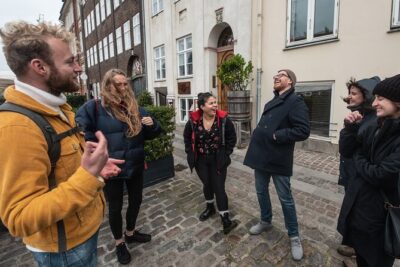
I like the small group, capped at 10 people, because it leaves room for questions and makes the walk feel more personal. I also like the practical finish in Gråbrødretorv, where you can continue exploring on your own. The main drawback is that this is an outdoor-only tour, so you will not enter the palaces or museums, and the amount of walking may not suit anyone with limited mobility.
Key points to know before you book
- A smart first walk: The route covers royal Copenhagen, Nyhavn, the old center, and several less obvious corners in one compact outing.
- Small groups matter: With no more than 10 participants, guides such as Laura and Hamid can answer questions instead of delivering a one-size-fits-all talk.
- Nyboder sets the tone: The tour begins with a look at the yellow 17th-century homes built for Danish naval personnel.
- Outdoor sightseeing only: You see the Marble Church, Amalienborg, Rosenborg Castle, and the Round Tower from the outside.
- A good local orientation: The guide offers suggestions for further things to do after the walk.
- Plan for Copenhagen weather: Bring water, wear comfortable shoes, and dress for rain, wind, or cold.
Why this Copenhagen walk works as an introduction
The route has a clear sense of place. Instead of spending the whole time on the central shopping streets, you begin in an older residential district, pass through the royal quarter, pause at the harbor, and then work your way into the medieval center.
That sequence helps you understand Copenhagen’s layout. You see how royal power, naval life, trade, religion, shopping, and everyday city life fit together. The guide also has time to explain social and cultural details, not just point at buildings and give dates.
The walk is conducted in English and takes 150 minutes. That is long enough to cover a lot without turning into an all-day march. You should still expect steady walking on city streets and cobblestones. The pace has been described as comfortable, but this is not a sightseeing bus with frequent seated stops.
Guides have included Laura and Hamid. Laura is especially praised for clear organization, friendly delivery, good stories, and a sense of what people actually want to know. Hamid has been noted for explaining Danish culture and society as well as the country’s past. Guide assignments can vary, but the important point is that the experience depends heavily on the person leading it.
More eating and drinking in Copenhagen
- The Copenhagen Culinary Experience Food Tour
★ 5.0 · 959 reviews - Party Pub Crawl Copenhagen
★ 5.0 · 868 reviews - Copenhagen: Guided Party Pub Crawl with 4 Shots and 1 Drink
★ 4.6 · 603 reviews
Starting at Sankt Pauls Kirke and entering Nyboder
Meet in front of Sankt Pauls Kirke at Gernersgade 33. From there, the first major stop is Nyboder, a district of low yellow houses built in the 17th century for Danish naval personnel.
Nyboder is a fine opening because it is not just another impressive building. It shows how a growing naval power needed homes for the people who worked at sea and supported the fleet. King Christian IV planned the district, and the rows of yellow homes give you a direct sense of organized community life.
The guide spends about 10 minutes here. That is enough for a short explanation and a look at the streets, though not enough for an exhaustive architectural study. I would pay attention to the repeated house fronts, the scale of the lanes, and the contrast between this modest residential setting and the grand royal buildings coming next.
This early stop also gives the tour a more grounded feel. Copenhagen is not only palaces and postcard views. It is also workers’ homes, military planning, and ordinary people living close to the center.
The Marble Church and the royal quarter
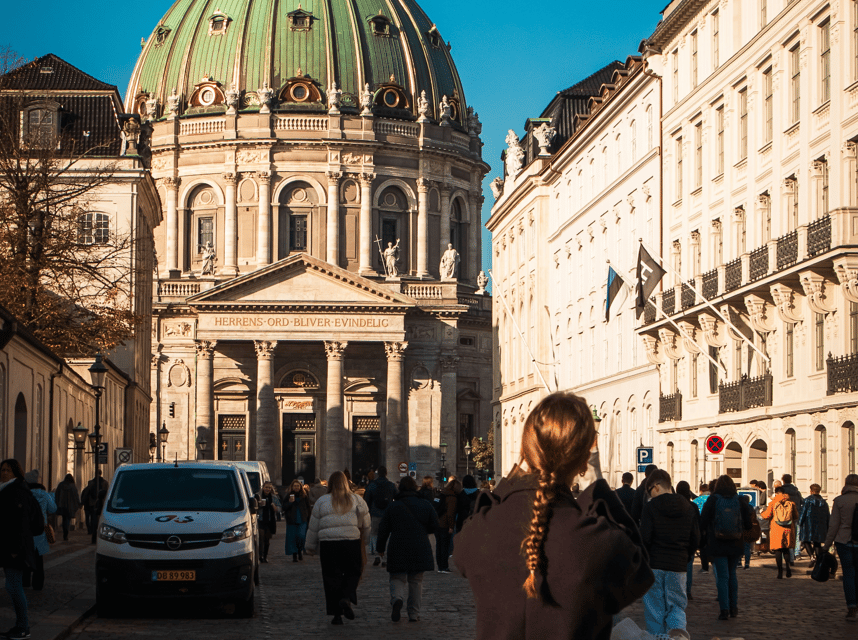
The next stop is Frederik’s Church, usually called the Marble Church. Its large dome was inspired by St. Peter’s Basilica in Rome, giving the building an imposing profile in the middle of Copenhagen’s royal district.
The tour includes a short guided look inside, listed at about five minutes. That is useful for seeing the grand interior, but you should keep your expectations in check. This is an overview rather than a full church visit, and the itinerary remains primarily an outdoor walk.
The church took nearly 150 years to complete. That long construction period gives the guide a chance to explain how ambition, money, design, and delays shaped the building. The story is more interesting than a simple statement that the dome is large and attractive.
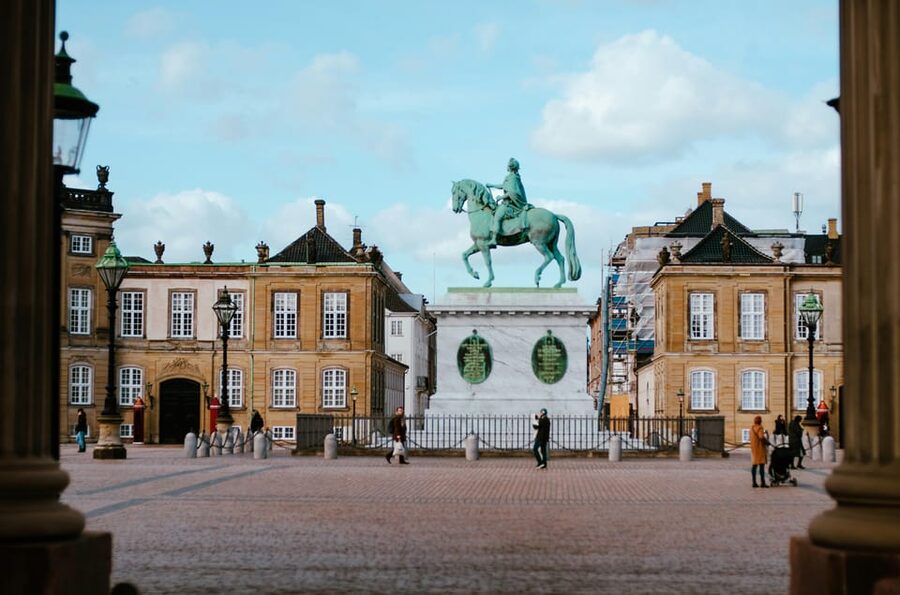
From here, the route continues to Amalienborg, the residence of Denmark’s royal family. The central square is one of the most formal spaces in Copenhagen, with matching palace buildings facing inward. You will hear about the Danish monarchy and notable royal figures while viewing the square from outside.
A 15-minute stop here is one of the more substantial pauses on the walk. If the timing is right, you may see the Changing of the Guard. That is a possibility, not something to treat as guaranteed, so do not book the tour solely for that ceremony.
Amalienborg is also a good place to ask questions. If you are curious about how Denmark’s monarchy functions or how the palace is used, this is one of the better moments to bring it up. The small-group format should make that easy.
Nyhavn, sailors, and Hans Christian Andersen
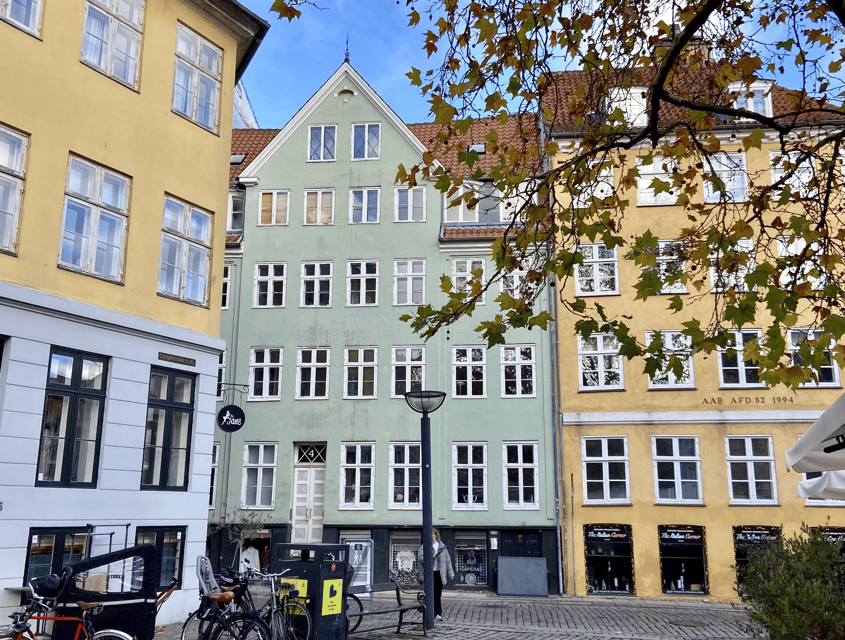
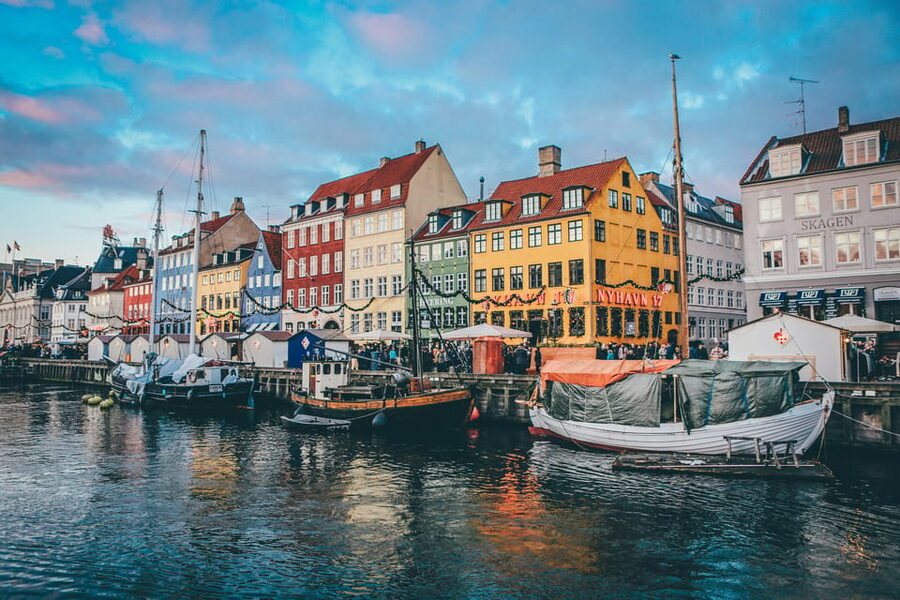
Nyhavn is the tour’s most instantly recognizable stop. Its colorful 17th-century buildings, wooden ships, and waterside setting make it an easy favorite for photographs.
You get about 10 minutes of break time here. That pause matters. After several guided stops, you can look around without trying to listen and take pictures at the same time. It is also a sensible moment to get your bearings in one of Copenhagen’s best-known areas.
The guide connects Nyhavn with sailors, merchants, and Hans Christian Andersen, who once lived here. Those stories give the harbor more meaning than its colorful facades alone. This was a working port tied to trade and seafaring, not simply a decorative row of restaurants.
The short stop is both a strength and a limitation. It keeps the tour moving, but you will not have time for a long meal, a full harbor-side drink, or a relaxed visit to every shop. If Nyhavn is high on your list, plan to return later.
More guided walks in Copenhagen
- Copenhagen Highlights Walking Tour
★ 5.0 · 2,324 reviews - Politically Incorrect Private Highlights Walking Tour
★ 5.0 · 1,244 reviews - Copenhagen: Group Walking Tour – City Highlights – 2 Hours
★ 4.7 · 1,088 reviews - 3h walking tour, small group max 10 people Copenhagen
★ 5.0 · 686 reviews
Kongens Nytorv, Strøget, and Pistolstræde
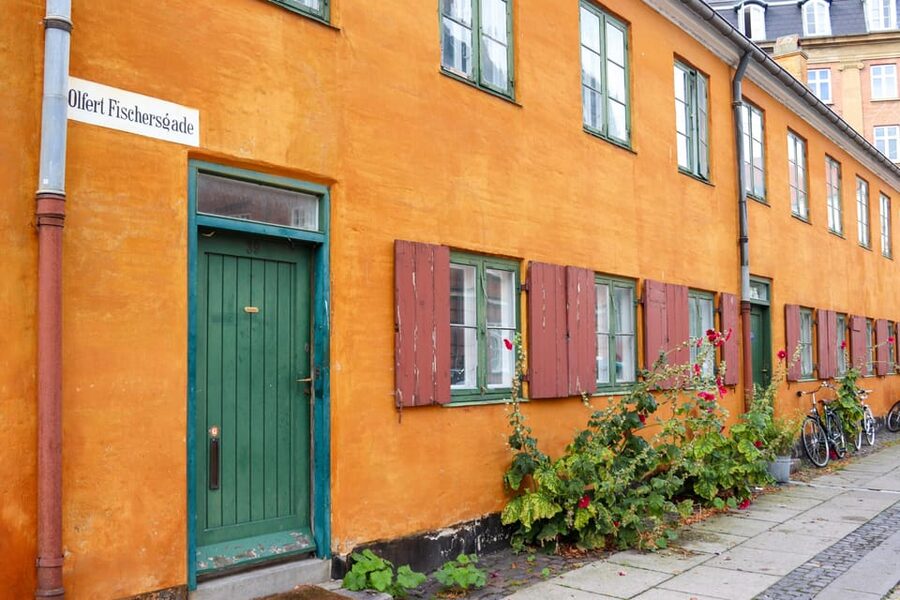
From Nyhavn, you walk to Kongens Nytorv, Copenhagen’s largest square. Grand buildings surround it, including the Royal Danish Theatre and Hotel d’Angleterre. The guide explains how this space became a central meeting point and how its role changed over time.
The formal stop is brief, about five minutes, but it works as a visual pause between the harbor and the city center. Look around the edges of the square rather than focusing only on the open space. The surrounding buildings show Copenhagen at a more polished and ceremonial scale.
The route then reaches Strøget, one of Europe’s longest pedestrian streets. Shops, cafes, and street performers give it a busier, more modern character than Nyboder or Amalienborg. You get a short introduction rather than a shopping session.
This is useful if you are still learning the city’s layout. You will know where to return for stores, food, and people-watching. Still, the Strøget portion is not likely to satisfy anyone hoping for a long shopping break. The tour treats it as a connecting street and cultural landmark.
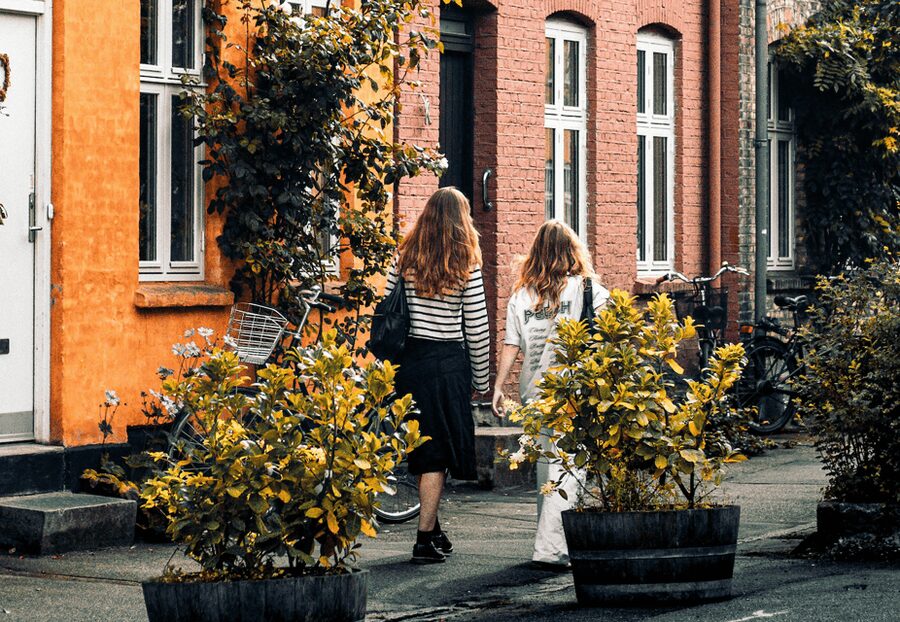
One of the nicest changes in mood comes at Pistolstræde, a narrow cobblestoned lane with colorful courtyards. It is easy to miss if you simply follow the main streets. The lane offers a quieter look at the city, with a smaller scale and more intimate feel.
This is exactly the kind of stop that makes a local-led walk useful. A map may show the center, but it does not always tell you which narrow passage is worth a short detour. Bring shoes with good grip, since cobbles can be awkward in wet weather.
King’s Garden and Rosenborg Castle
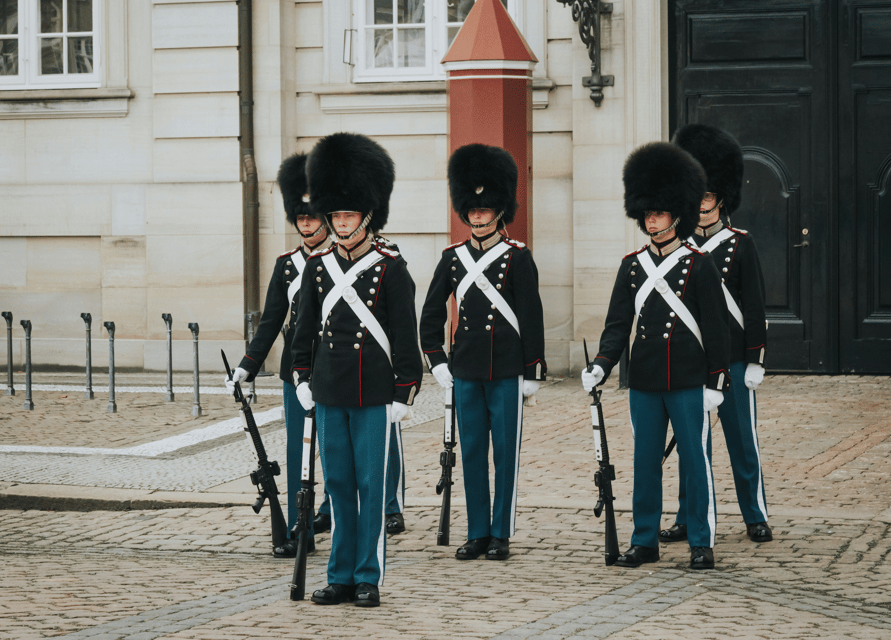
The route continues through King’s Garden, also called Kongens Have, toward Rosenborg Castle. This green stretch gives your eyes a break from stone facades and busy streets.
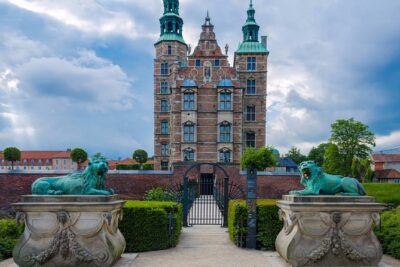
Rosenborg is a 17th-century Renaissance castle with a strong connection to Denmark’s royal past. The tour explains the building and its setting from outside, but the entrance is not included. You should not expect to see the castle interiors or royal collections during this walk.
That outdoor approach is worth understanding before you book. The guide can help you appreciate the castle’s design, position, and role, but anyone who wants the full Rosenborg visit will need to return separately and pay the entrance fee.
King’s Garden also helps show how Copenhagen balances central city life with public open space. The walk does not turn into a long garden tour, but the setting adds variety and keeps the route from feeling like a continuous line of buildings.
The Round Tower and the final square
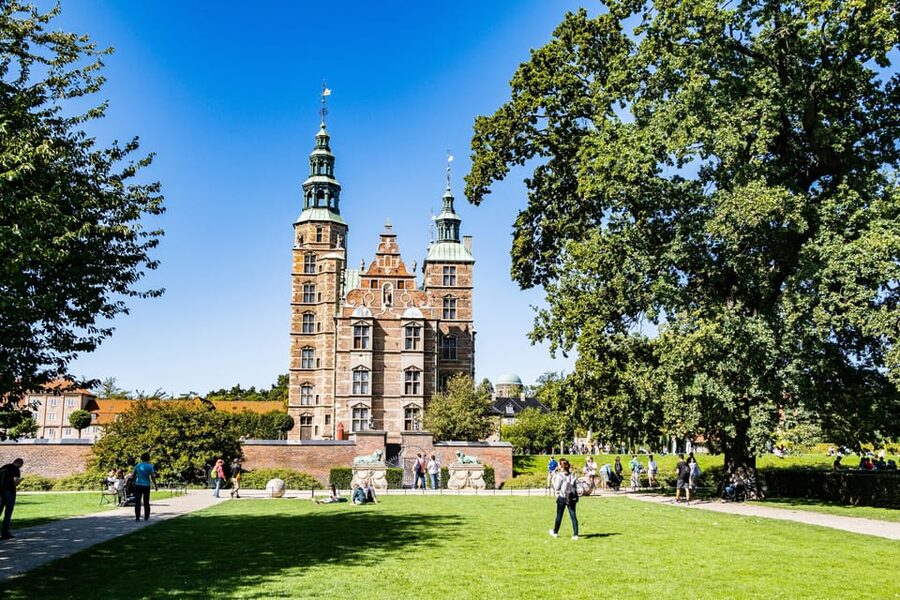
The Round Tower is the last major sight before the tour ends. It is Europe’s oldest functioning observatory and was also built to serve scholars through its observatory and library functions in the 17th century.
A 10-minute guided stop gives you the essential story and lets you study the unusual round form. Since entrance fees are not included and the tour is outdoor-only, you will not climb the tower as part of this experience.
That is a missed opportunity for some people, since the tower’s interior ramp and views are a separate attraction. On the other hand, keeping the tour outside helps the group maintain its schedule and cover more of the city.
The walk finishes at Gråbrødretorv, a picturesque square surrounded by colorful houses. Its relaxed atmosphere makes a pleasant ending after the formal spaces earlier in the route. You can use this final location as a base for further wandering, food, or a return to the streets you liked best.
I especially like this finish because it does not leave you at an anonymous transit stop. You end in a central square with a clear sense of Copenhagen’s older character.
What the $61 price includes
At $61 per person, this is not the cheapest way to see Copenhagen’s center. You are paying for a live guide, a small group, and a carefully connected route rather than for admission to an attraction.
The value is strongest if you are visiting for the first time and want context quickly. A guide can connect Nyboder, the royal quarter, Nyhavn, the shopping streets, and the old center in a way that independent wandering may not. You also get recommendations for what to do after the walk.
The price is less appealing if you mainly want to enter buildings. No palace, castle, church, or tower admission is included. You will need to decide if a guided overview is worth more to you than paying separately for one major sight.
The group limit of 10 improves the value. You are less likely to be lost in a large crowd, and there should be room to ask about food, neighborhoods, museums, or later plans. Feedback has also praised the personal attention possible when the group is very small.
Free cancellation up to 24 hours before the start and the option to reserve without paying immediately add useful flexibility. The tour runs in all weather, so the real cost includes bringing suitable clothing rather than assuming Copenhagen will be dry.
Who should take this walk?
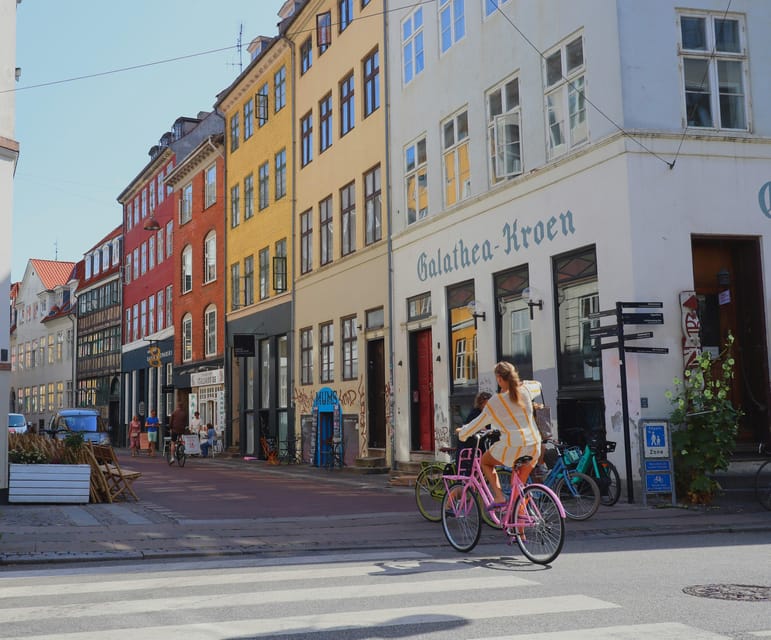
I would recommend it to first-time visitors who want a strong city orientation early in their stay. It also suits anyone who prefers stories and local explanation over simply collecting photographs.
The tour is a good fit for couples, solo visitors, and small groups who enjoy asking questions. The guide’s recommendations may be especially useful if you have several days in Copenhagen and want help choosing what to see next.
It is less suitable for anyone who wants a slow, deeply detailed visit to each attraction. The route covers many places, so each stop gets a limited amount of time. It is also not suitable for people with mobility impairments, and anyone uncomfortable with sustained walking should consider that before booking.
Families may enjoy the variety, but the 2.5-hour length and steady pace are worth considering for younger children. There is a short break at Nyhavn, but this is still a sightseeing walk rather than a play-focused outing.
Practical advice for a better experience
Wear comfortable walking shoes. You will cover paved streets, pedestrian areas, and cobbled lanes, and the route includes several stops rather than one central square.
Bring water and dress for the forecast, but prepare for changeable conditions. The tour operates in all weather, and there is no promise of indoor shelter because the experience is outdoor-only.
If you want to visit the Marble Church, Rosenborg Castle, or the Round Tower inside, note the buildings during the walk and return later. Their entrances are not part of the $61 price.
I would also schedule this tour near the beginning of your Copenhagen stay. The end point at Gråbrødretorv and the guide’s suggestions can help shape the rest of your plans. If you take it late in your visit, you will still get the stories, but you will have less time to use the advice.
Should you book the Hygge and Highlights Walking Tour?
Book it if you want a friendly, compact introduction to Copenhagen that balances major sights with small lanes and local context. The combination of Nyboder, Amalienborg, Nyhavn, Pistolstræde, Rosenborg, and Gråbrødretorv gives you more range than a simple royal-quarter stroll.
I would be comfortable recommending it at $61 when a small group and a good English-speaking guide matter to you. Guides including Laura and Hamid have been praised for clear organization, strong stories, and attention to individual questions.
Skip it if your priority is entering attractions, avoiding long walks, or moving at your own pace. For everyone else, especially first-time visitors, it is a practical way to get Copenhagen into focus without spending a full day on a formal sightseeing program.
FAQ
Where does the Copenhagen walking tour start?
The tour starts in front of Sankt Pauls Kirke at Gernersgade 33.
Where does the tour finish?
The walk ends at Gråbrødretorv in central Copenhagen.
How long does the tour last?
The tour lasts 150 minutes, or 2.5 hours.
What language is the tour conducted in?
The live tour guide speaks English.
Are entrance fees included?
No. The tour is outdoor-only, and entrance fees are not included.
How large is the group?
The group is limited to 10 participants.
What should I bring?
Bring comfortable walking shoes, water, and clothing suited to the weather. The tour operates in all weather conditions.
Just added in Copenhagen
- Copenhagen Walking Tour with Food Testing (smorrebrod dish & snap)★ 4.5 · 10 reviews
- a day at North Zealand Castle Tour★ 4.5 · 19 reviews
- walking tour – Copenhagen and Christiansborg 3 hours★ 4.0 · 7 reviews
- The Six Forgotten Giants Trolls Hunt with Minibus★ 4.5 · 27 reviews
- The Forgotten Giants Private Tour★ 5.0 · 3 reviews
- Small Group Guided Food Tour and Street Art Visit to Norrebro★ 5.0 · 9 reviews
- The Philosopher’s Last Walk: An audio tour on the life of Søren Kierkegaard★ 4.5 · 5 reviews
- Segway Winter Tour 90 Minutes★ 5.0 · 14 reviews
Copenhagen Walking Tours, compared.
Group Walking Tour – City Highlights – 2 Hours
Read our review →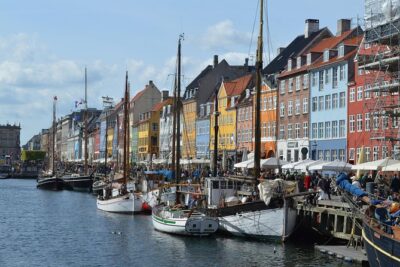
3h walking tour, small group max 10 people Copenhagen
Read our review →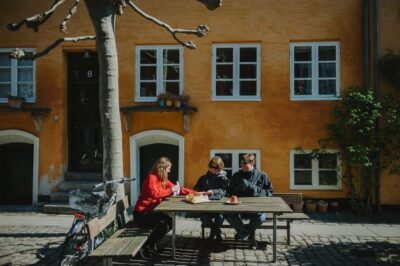
Copenhagen Walking Tour: Highlights and Hygge w/Lunch
Read our review →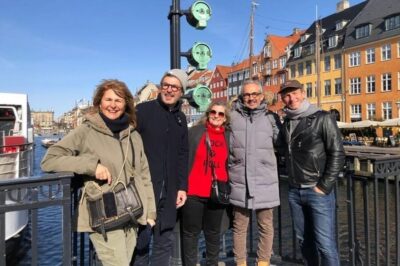
Browse the lists this tour appears in