
Reviewed · DANISH FOOD & BEER TOURS
Copenhagen: Danish Pastry Crawl with Private Guide
Copenhagen’s best pastry experience may be away from the postcard center. This private walk takes you through Østerbro, a leafy local district, for 3 to 4 pastries, coffee from Prolog, and stories about how Denmark’s baking changed under the New Nordic Food Movement. I like the small-scale format, and I like that the walk connects food with architecture, neighborhood life, and Danish history.
The main drawback is simple: this is not a tour for restrictive diets. The tastings involve gluten, dairy, nuts, and other common ingredients, and vegans, people with lactose or gluten intolerance, and those with nut allergies should skip it. You also need enough energy for a 2.1-kilometer walking route, even though the terrain is suitable for wheelchair use.
Key points to know before you book
- Østerbro instead of central Copenhagen: You explore quiet streets, historic villas, Olufsvej, and Bopa Plads while seeing how locals live.
- A private guide makes the difference: Guides including Gita, Gitte, and Birgitte are praised for combining pastry knowledge with city history and tailored recommendations.
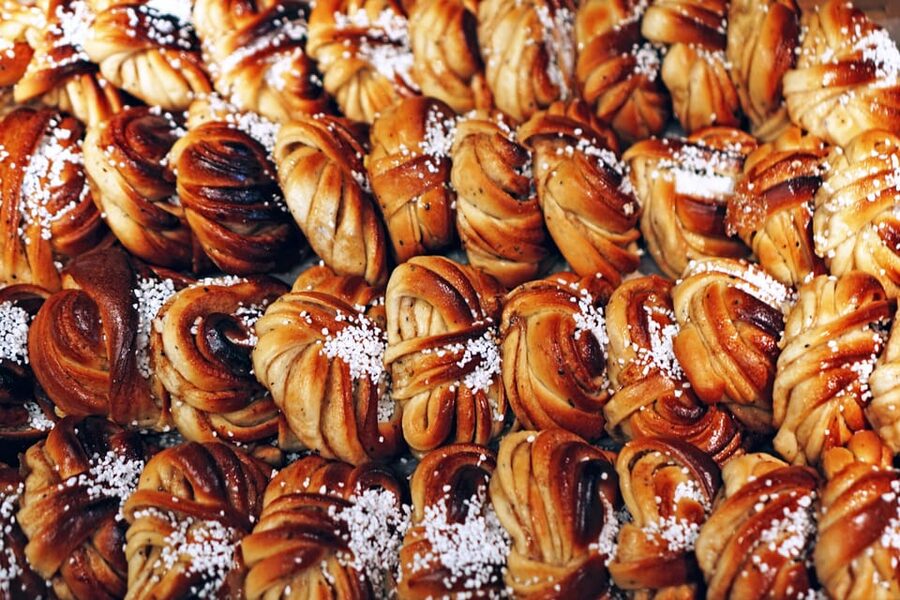
- The cardamom bun is a highlight: You may try Emil Glaser’s pastry, created by a NOMA alum and featured on the finale of Billions.
- Four food stops plus coffee: The route includes several bakeries, a local café, and award-winning coffee from boutique roastery Prolog.
- A useful first-day activity: Your guide can help shape the rest of your Copenhagen visit with food, shopping, and sightseeing suggestions.
- Bring a small tote: Portions can leave you with pastries to carry, especially if you visit early and have eaten little beforehand.
Why this pastry walk feels different from a bakery tour
A standard bakery tour can become a simple march from counter to counter. This one uses pastry as a way into Copenhagen’s culture. You learn where the Danish pastry tradition came from, then see how modern bakers have changed it with the New Nordic focus on local ideas, careful ingredients, and fresh interpretations.
That context matters. A pastry in Denmark is not just a sweet snack. It reflects old baking traditions, newer food trends, and the city’s serious coffee culture. The guide explains those links while taking you through a neighborhood that many first-time visitors never see.
I also like the pace. The full experience lasts 150 minutes, but the walking itself is spread across several short sections. You stop often, sit or pause for tastings, and have time to ask questions. It feels more like a food-focused stroll with a local than a formal lecture.
The private format is especially useful if you have strong interests. Delicious Denmark invites you to share what you want to learn about, so you can ask for more food history, architecture, local coffee, or neighborhood background. That flexibility gives the tour more value than a fixed group outing, particularly for couples, families, or small groups with different interests.
More eating and drinking in Copenhagen
- The Copenhagen Culinary Experience Food Tour
★ 5.0 · 959 reviews - Party Pub Crawl Copenhagen
★ 5.0 · 868 reviews - Copenhagen: Guided Party Pub Crawl with 4 Shots and 1 Drink
★ 4.6 · 603 reviews
Starting at Trianglen and entering Østerbro
The walk begins outside Trianglen Metro Station, next to Parken Stadium. This is a practical meeting point because you can reach it by metro, and it places you directly in Østerbro rather than in the center’s crowded sightseeing zone.
From Trianglen, you walk for about 10 minutes. The route heads toward Olufsvej, where you stop for photos and a look at the area’s leafy streets and historic villas. This early section helps you understand the neighborhood before the pastries begin. Østerbro feels elegant and residential, with a slower rhythm than the main central streets.
That setting is one of the tour’s strongest features. You are not only tasting famous baked goods. You are seeing a part of Copenhagen where ordinary city life carries on around you. The route lets you observe local streets, cafés, homes, and public spaces without turning the experience into a standard architectural tour.
Wear comfortable shoes. The distance is modest, but you will be on your feet for around two and a half hours, with several stops along the way.
The first bakeries and the Danish pastry story
The first bakery stop comes after the Olufsvej photo pause. You receive one of the included pastry tastings and begin learning how Danish pastries developed and why they became such a strong part of the country’s food identity.
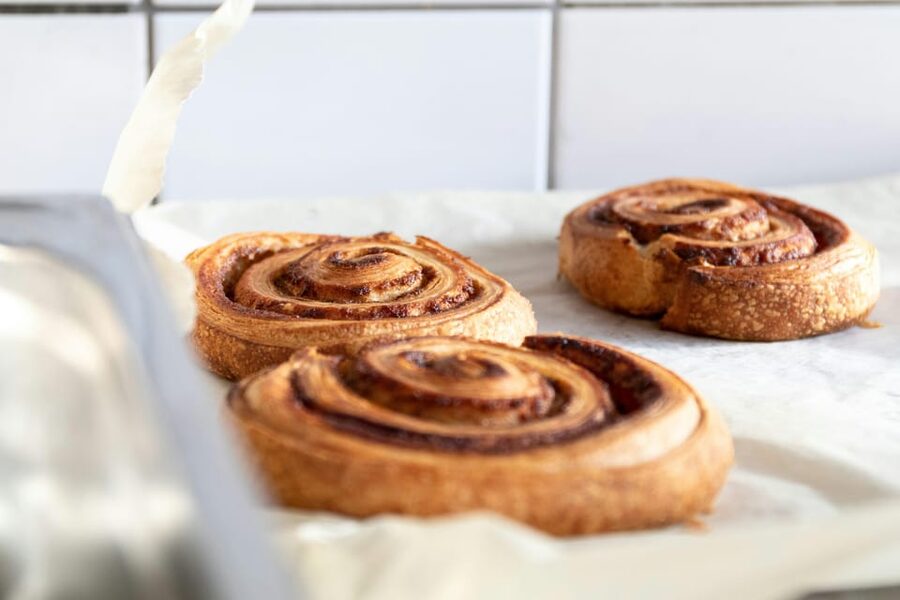
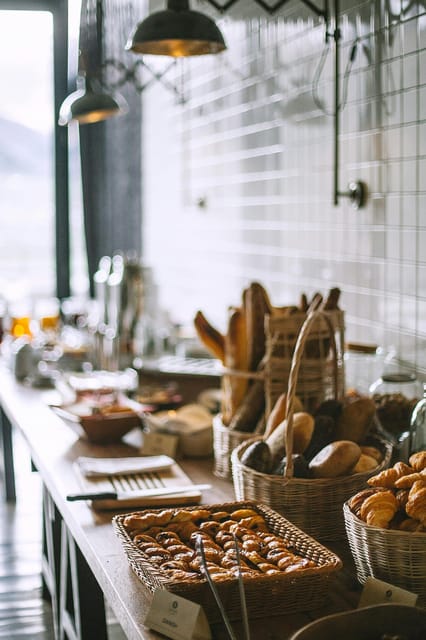
The exact pastries can vary, which is a good thing for this kind of experience. Instead of receiving the same supermarket-style Danish you might find abroad, you sample modern bakery versions chosen for quality and local character. The focus is on variety, so you should expect different textures and flavors across the stops.
After another 10-minute walk, you reach a second bakery. The tour then continues to a third bakery, with about 15 minutes set aside for tasting at each of those stops. The short walking sections give you time to digest both the food and the information.
This is where the private guide adds real value. Gita and Gitte are named in the tour feedback, and Birgitte is also praised for bringing warmth and strong local knowledge to the walk. Guide assignments can vary, but the experience is designed around a live guide who can answer questions rather than simply recite a script.
Expect stories about baking traditions, Copenhagen’s food scene, and the changes brought by the New Nordic movement. You may also hear about the bakeries themselves and why certain pastries matter in the modern Danish scene.
Emil Glaser’s cardamom bun
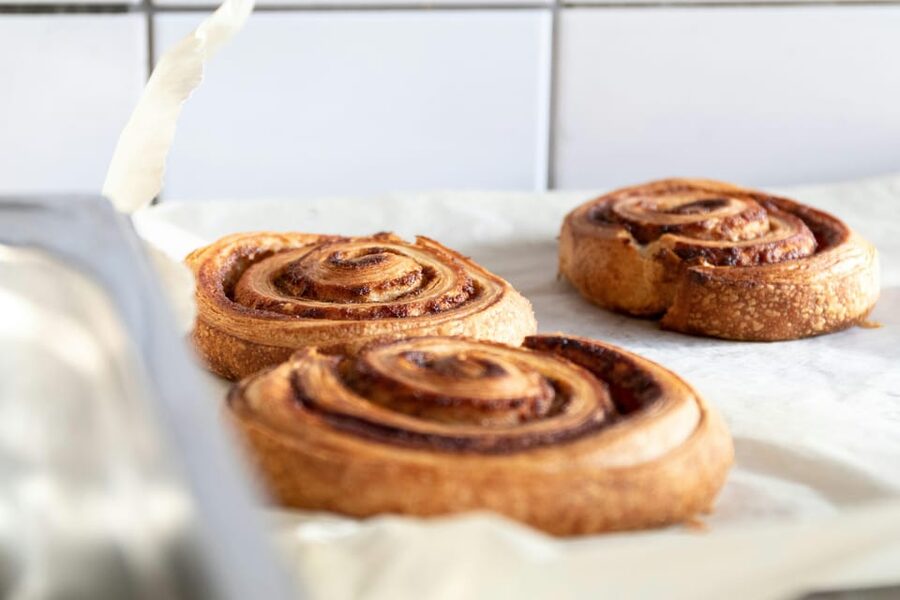
One of the most distinctive tastings is Emil Glaser’s cardamom bun. Glaser is a NOMA alum, and the bun was featured on the series finale of Billions. That connection gives the stop an extra bit of culinary fame, but the pastry is not included merely for its television association.
The cardamom bun represents the newer side of Danish baking. It takes a familiar sweet bun and gives it a more focused, aromatic character. The tour uses this kind of pastry to show how Copenhagen’s bakers have moved beyond the narrow idea of a Danish pastry as a flaky, heavily sweetened treat.
You should not assume every pastry will be a classic cinnamon roll or custard-filled Danish. The point is to taste several styles, including modern New Nordic interpretations. If you are curious about how a food tradition changes without losing its identity, this stop is likely to be one of the most interesting parts of the route.
Because the tastings are substantial enough to count as a light meal for some people, do not arrive after a large breakfast. A small breakfast is wiser, particularly if you take the tour in the morning. Bring a small tote as well. You may have leftovers to carry after the final tasting.
A few more tours around Copenhagen worth a look
- Private Walking Grand Tour of Copenhagen
★ 5.0 · 3,953 reviews - Politically Incorrect Private Highlights Walking Tour
★ 5.0 · 1,244 reviews - Bike Tour Copenhagen. Private Guide, Concierge Service, Small Grp
★ 5.0 · 416 reviews - Private Walking Classical Tour of Copenhagen
★ 5.0 · 273 reviews
Prolog coffee and Copenhagen’s café culture
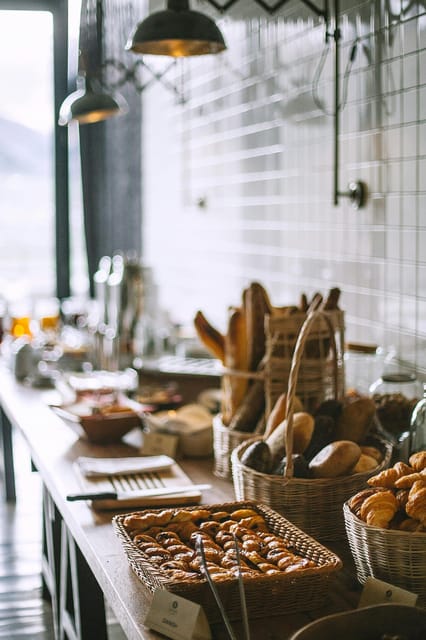
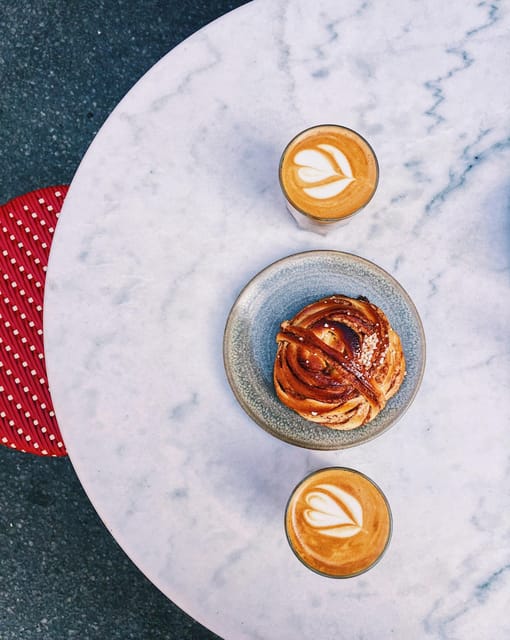
After the first bakery visits, you walk for another 10 minutes to a local café for a 15-minute coffee tasting. The coffee comes from Prolog, an award-winning boutique roastery.
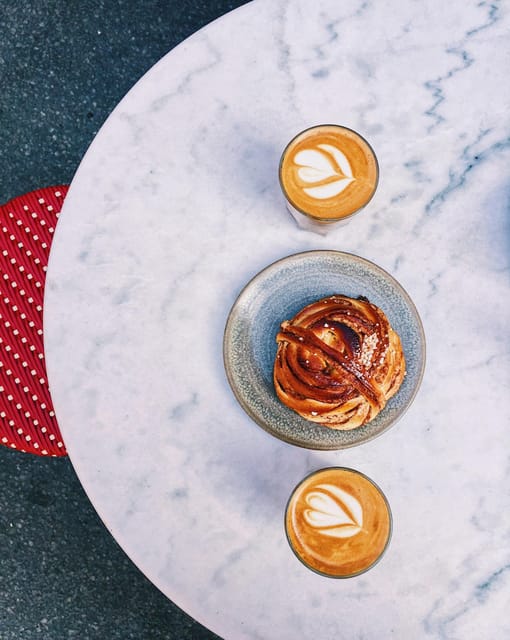
This stop keeps the tour from becoming a sugar marathon. Coffee is a major part of the experience because it balances the pastries and gives you a chance to consider how Danes pair baked goods with a hot drink. The guide can also place the café culture in the wider food scene, which helps explain why Copenhagen takes both bakery craft and coffee seriously.
The coffee stop is not a long sit-down café visit. It is a tasting built into the walking route, so you should expect a focused pause rather than a leisurely hour at a table. Still, it breaks up the route at the right time and gives you a chance to rest.
If you are not a coffee drinker, note that the included drink is one cup of coffee, not a choice of several beverages. The main emphasis remains pastry, but this stop adds welcome balance.
Bopa Plads and a final bakery
The route continues to Bopa Plads for another photo stop. This gives you a change of setting and another chance to see local city life away from the central sights.
You then visit one more bakery for a final pastry tasting. In total, you receive 3 to 4 Danish pastries, spread across several stops. This structure works better than getting all the food at one bakery because each stop gives you a point of comparison.
You can think about differences in texture, sweetness, spices, fillings, and presentation. The guide can explain how each bakery fits into Copenhagen’s wider baking culture, and you can ask which places are worth returning to later in your stay.
The final 10-minute walk takes you to Nordhavn Metro Station. Ending there is useful because you can continue exploring, return to central Copenhagen, or use the metro for another part of the city. The finish also keeps the tour moving in one direction instead of forcing you back to the starting point.
What the $102 price includes
At $102 per person, this is not a cheap pastry snack. You are paying for 150 minutes of a private walking tour, a guide, 3 to 4 pastries, one coffee, and the planning needed to connect several independent food stops.
The value depends on how much you want from the guide. If you only want to buy a cardamom bun, you can spend far less on your own. But if you want bakery access combined with neighborhood history, food context, and personal recommendations, the price is easier to justify.
The private format is important here. You do not share the guide with a large group, and the experience can be adjusted to your interests. Several guides have also stayed after the formal route to offer suggestions for restaurants, shopping, and sights based on what the participants wanted to do next.
I would consider this a strong-value choice for a first or second day in Copenhagen. You get a taste of the city’s food culture, see a local neighborhood, and leave with practical ideas for the rest of your visit. It is less compelling if you already know Østerbro well or plan to visit Copenhagen’s bakeries independently.
Transportation is not included, but the tour starts at Trianglen Metro Station and ends at Nordhavn Metro Station. That makes the route manageable without arranging a private vehicle.
Who should book this Copenhagen pastry tour
This experience suits you best if you enjoy food with a story. You should like walking, trying several small tastings, and asking questions about Danish baking, coffee, architecture, and local life.
It is also a good fit for:
- Couples looking for a relaxed private activity
- Families with teenagers who enjoy food and city walks
- Food-focused visitors who want more than central Copenhagen landmarks
- Repeat visitors who have already seen the main sights
- Anyone who wants local restaurant and bakery suggestions for the rest of the trip
The tour is conducted in English, German, Danish, Swedish, or French. You can request a language when booking, but guide availability may determine the final arrangement.
The walk is wheelchair-friendly in overall terrain, and the route is 2.1 kilometers. However, some bakeries are not wheelchair accessible, so you should confirm the details before booking if step-free access is essential. It is not a good choice for people with a low level of fitness or significant physical impairments.
This is also a poor match for anyone with celiac disease, gluten intolerance, lactose intolerance, or a nut allergy. The activity specifically excludes vegans and people with these dietary concerns. The tasting format does not appear designed for extensive substitutions.
Practical advice for getting the most from the walk
Start with a light breakfast, or skip breakfast if your tour is early. The pastries are not just tiny samples, and eating a full meal beforehand will reduce your enjoyment.
Bring water, as requested for the activity, and carry a small tote for leftovers. You will be walking between stops, so a hands-free bag is more useful than a large backpack.
Keep your schedule flexible after the tour. The ending at Nordhavn Metro Station is convenient, but the best extra value may come from the guide’s suggestions. If you explain your interests during the walk, you may receive more useful advice about where to eat, shop, or sightsee later.
I would also book early in your Copenhagen visit if possible. The tour can help you understand the city’s food culture before you choose other bakeries and restaurants. Its private format also means you should check available starting times rather than assuming the walk runs at any hour.
Should you book the Østerbro pastry crawl?
Book it if you want excellent pastries, a private guide, and a local view of Copenhagen in one compact experience. The strongest parts are the neighborhood setting, the cardamom bun linked to Emil Glaser, the Prolog coffee tasting, and the guides’ ability to connect food with history and city life.
Skip it if you have strict dietary restrictions, dislike walking, or want a quick bakery stop without explanation. At $102, it is a premium food tour, but the price makes sense for visitors who will use the guide’s recommendations and value a personal introduction to Østerbro.
For most pastry-loving visitors who can eat the included foods, I would book this near the start of a Copenhagen stay. It gives you breakfast ideas, neighborhood bearings, and a better sense of why Danish baking is far more varied than the familiar pastry found outside Denmark.
FAQ
Where does the Copenhagen pastry tour begin?
The tour begins outside Trianglen Metro Station, next to Parken Stadium.
Where does the tour finish?
The route finishes at Nordhavn Metro Station.
How long is the pastry crawl?
The experience lasts 150 minutes, or two and a half hours.
How far do you walk?
The total route is 2.1 kilometers, with several short walking sections between food stops.
How many pastries are included?
The tour includes 3 to 4 Danish pastries.
Is coffee included?
Yes. One cup of coffee is included, served during a tasting at a local café. The coffee comes from award-winning boutique roastery Prolog.
Which languages are available?
The live guide may conduct the tour in English, German, Danish, Swedish, or French.
Is the tour wheelchair accessible?
The overall route has terrain suitable for wheelchair use, but some bakeries are not wheelchair accessible. You should confirm access details before booking if this is important for your visit.
Just added in Copenhagen
- Copenhagen Craft BeerWalk City Center★ 4.4 · 3 reviews
- Copenhagen City & Christiansborg Palace Private Walking Tour★ 4.6 · 23 reviews
- Copenhagen Christianshavn Walking Tour★ 5.0 · 5 reviews
- Copenhagen: Canal Boat Cruise & Old Town/Nyhavn Walking Tour★ 4.5 · 4 reviews
- Copenhagen: Express Walk with a Local in 60 minutes★ 4.6 · 3 reviews
- Copenhagen: 3 Hour Extended Grand E-Bike Guided Tour★ 4.6 · 3 reviews
- Copenhagen: 3-hour Private Guided Bike Tour★ 4.7 · 6 reviews
- Best of Copenhagen Biking Tour-3 Hours, Small Group max 10★ 4.9 · 10 reviews
Danish Food & Beer Tours, compared.
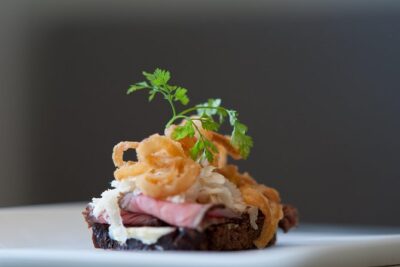
Copenhagen Culinary Food Tour with 6+ Tastings of Danish Classics
Read our review →
Good Morning, Copenhagen: Feel The Danish Hygge & Happiness
Read our review →
Copenhagen’s oldest and original food tour (Est. 2011).
Read our review →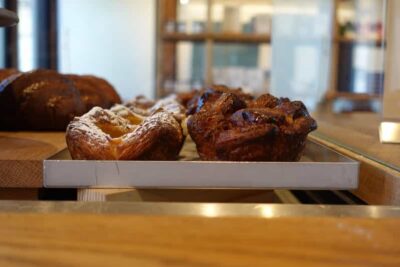

Browse the lists this tour appears in