
Reviewed · ATTRACTION TICKETS
Copenhagen: Danish War Museum Entry Ticket
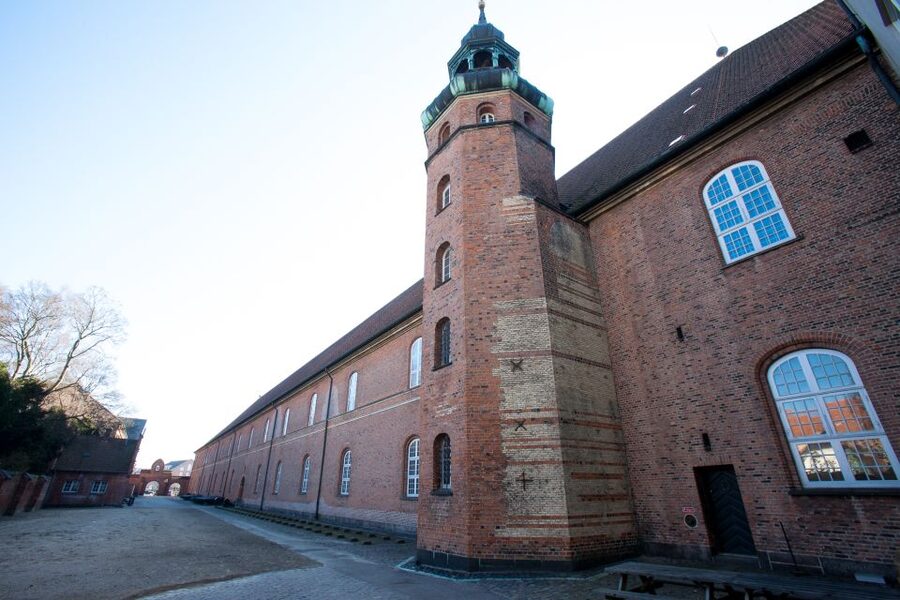
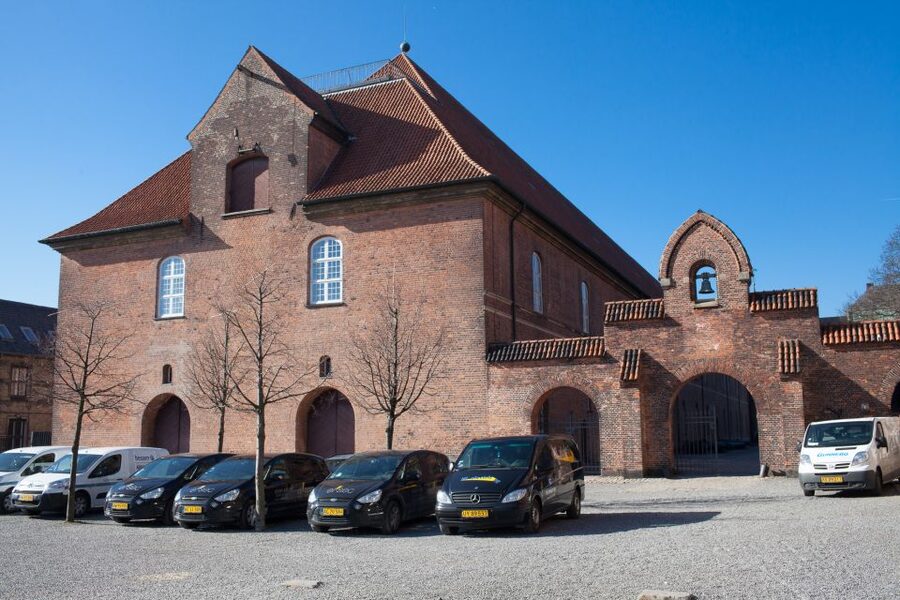
The Danish War Museum gives you a clear look at Denmark’s military story inside the original 1604 Arsenal building. Its 163-meter first-floor hall is the longest room in the Nordic region, and it makes a memorable setting for armor, weapons, vehicles, and objects from five centuries of conflict.
I like the mix of grand displays and odd personal details, including a 150-year-old biscuit, a ship model made from bones, and hammocks where you can listen to Danish stories from the seven seas. The current drone exhibition also connects old battles with the difficult questions facing modern warfare.
The main drawback is practical: there is currently no elevator to the first floor, where the long hall and its exhibitions are located. You may bring your own wheelchair or baby carriage, but access to that upper level needs careful planning.
Key points
- A 163-meter hall: Walk through the longest room in the Nordic region inside a historic arsenal.
- Five centuries of conflict: Follow Denmark from 15th-century knights to the war in Afghanistan.
- Unusual objects: See a bone ship model, an old biscuit, and the only complete American Civil War uniform of its kind.
- A personal touch: Rest in a hammock while hearing Danish stories connected to the seven seas.
- Modern questions: Consider how drones affect soldiers, civilians, surveillance, and future battles.
- Important access note: There is no elevator to the first-floor exhibitions.
Inside Copenhagen’s 1604 Arsenal
The museum is housed in the historic Tøjhus, or Arsenal, built by Christian IV in 1604. This was not a modern building later given a military theme. It was created to store weapons and equipment, so the setting gives the collection a practical connection to Denmark’s past.
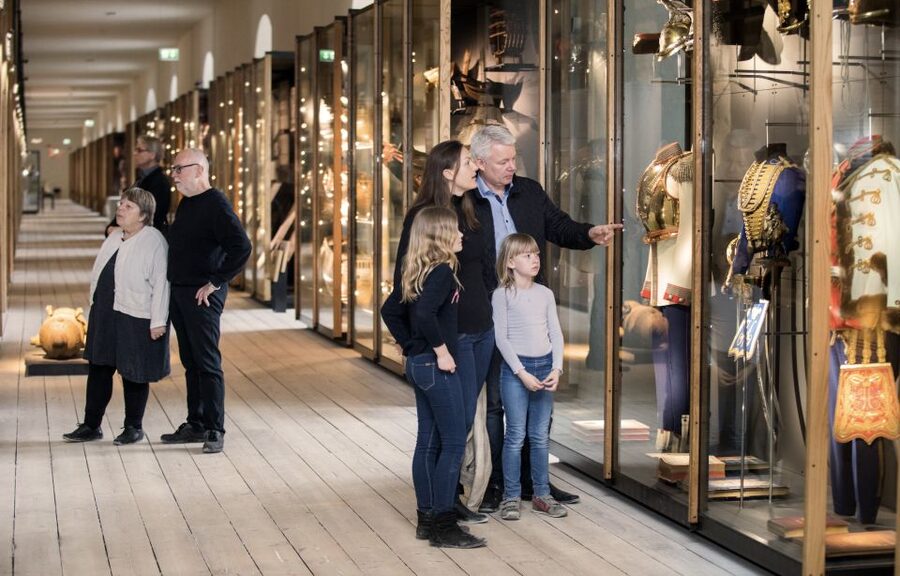
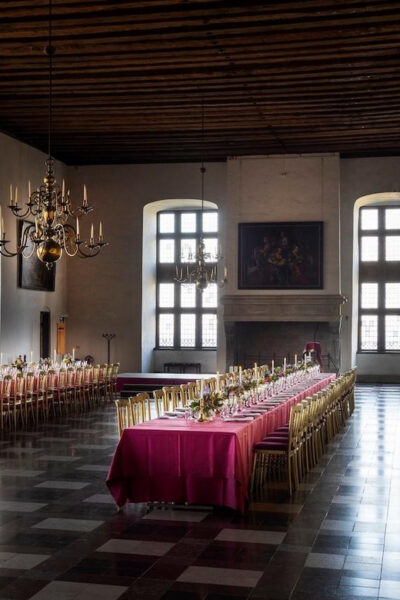
That matters as soon as you enter. Instead of walking through a neutral gallery, you are exploring a building designed for military use. The long first-floor hall does much of the visual work. At 163 meters, it gives the museum a strong sense of scale and lets you see how much equipment Denmark has gathered over the centuries.
You should allow yourself time to look upward, across the full length of the room, and back toward the details in the cases. The hall is one of the museum’s chief attractions even before you study the objects.
The ticket is valid for one day, so you do not need to rush through the collection as if it were a quick stop between sightseeing appointments. The actual time you spend depends on how closely you read the displays, but the material covers enough ground to reward a steady visit.
More tickets worth booking ahead in Copenhagen
- Copenhagen: Home of Carlsberg Experience Entry Ticket
★ 4.7 · 1,009 reviews - Copenhagen: National Museum of Denmark Entry Ticket
★ 4.5 · 960 reviews - Copenhagen: Copenhagen Zoo Entry Ticket
★ 4.6 · 708 reviews
From shining armor to Swedish wars
The earliest displays take you back to the age of Danish knights. Shining armor gives the opening section an immediate visual pull, especially if you are visiting with children or anyone who prefers objects to long blocks of text.
The armor also shows how warfare once depended on highly visible equipment worn directly on the body. As you move forward, weapons and military objects help explain how fighting changed over time. You can see the physical difference between a world of armored soldiers and later conflicts shaped by firearms, vehicles, and long-distance attacks.
The museum also covers Denmark’s 17th-century war with Sweden. This period is important for understanding Denmark as a small European kingdom dealing with powerful neighbors and shifting military pressure. The displays place weapons and armor within that wider story instead of presenting them as isolated antiques.
The 19th-century conflict with England adds another chapter. You will not simply be looking at old metal and uniforms. The point is to see how Denmark’s position in Europe affected the country’s military choices and national experience.
The 163-meter hall rewards a slow walk
The first-floor hall is not just a large room with cases arranged along the walls. Its length creates a natural timeline. You can begin with earlier weapons and armor, then move through later conflicts toward World War II, the Cold War, and Denmark’s role in 21st-century warfare.
I like this arrangement because it makes change easy to follow. A weapon from one period may look impressive on its own, but the long progression helps you understand what came before it and what replaced it.
The hall can also make the visit feel less crowded in spirit, even when there is plenty to see. You are not trapped in a maze of small rooms. Instead, the collection unfolds along a clear route, with the building itself giving the visit a strong rhythm.
Do not treat the hall as a passageway to the more modern exhibits. Its length is one of the museum’s defining experiences. Stop now and then to look back along the room. The perspective helps you appreciate why this space is such a major part of the visit.
Strange, memorable objects among the weapons
Military museums can sometimes become a blur of swords, rifles, uniforms, and technical labels. This collection avoids that problem with objects that make you pause.
One is a ship model made from bones. It is an unusual piece, and its material immediately raises questions about who made it, why it was made, and what life at sea was like. The museum also displays a 150-year-old biscuit, a small object with an everyday quality that makes military history more human.
A biscuit may sound less dramatic than armor or a war vehicle, but that is precisely why it works. Food, personal belongings, and handmade objects show what military life involved beyond battles and commanders.
You will also find the world’s only complete example of a uniform from the American Civil War. That display adds an international note to a museum focused on Denmark. It reminds you that military collections often connect countries through uniforms, technology, trade, and shared conflicts.
These unusual pieces are useful anchors during a long visit. If your attention starts to fade after several cases of weapons, look for the objects that tell smaller stories.
A few more tours around Copenhagen worth a look
- Copenhagen: Amalienborg Palace Museum Entry Ticket
★ 4.3 · 291 reviews - Exhibition – Home of Carlsberg
★ 4.5 · 281 reviews - Copenhagen: MACA Art Museum Entry Ticket
★ 4.7 · 77 reviews - MACA Museum ‘Banksy & Street Art: The Early Years’ Art Exhibition
★ 4.5 · 32 reviews
Hammocks and stories from the seven seas
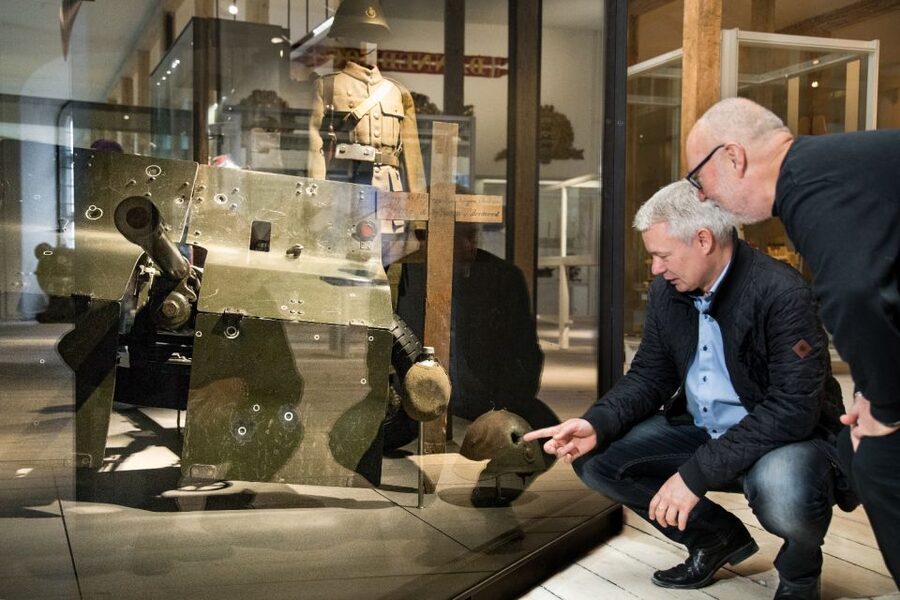
The museum includes a more relaxed way to encounter the collection. You can sit in a hammock and listen to Danish stories from the seven seas.
This is a welcome change of pace. Military history is often presented through dates, campaigns, and equipment. The hammock feature adds sound and atmosphere, and it gives you a chance to rest without leaving the subject entirely.
I would especially value this stop during a family visit. A child who has had enough of labels may be more willing to pause for a story. Adults can use it as a breather before continuing through the larger historical sequence.
The available information does not specify the length or format of each story, so you should think of the hammocks as an included museum feature rather than a scheduled storytelling show. Their purpose is to make the maritime side of Danish history feel more immediate and personal.
World War II and the Cold War
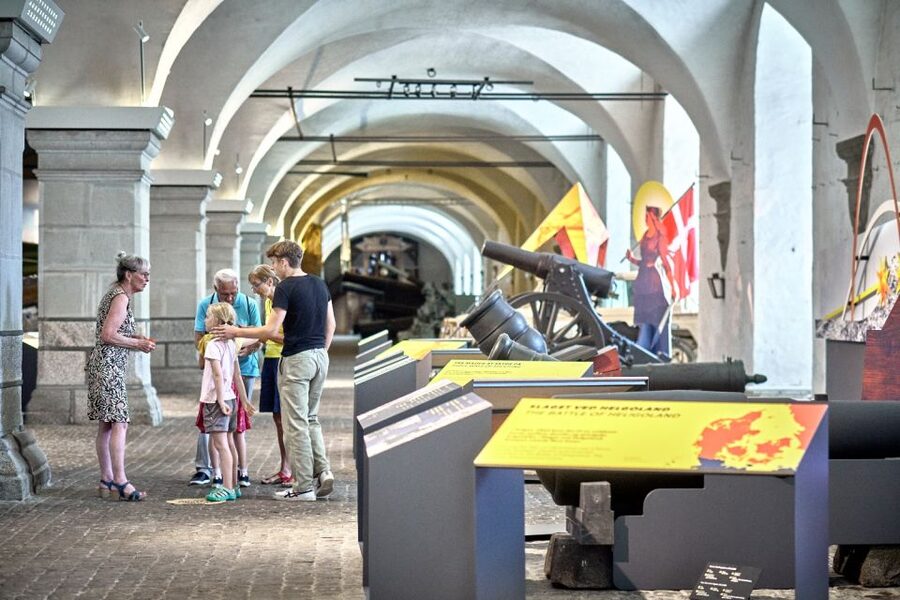
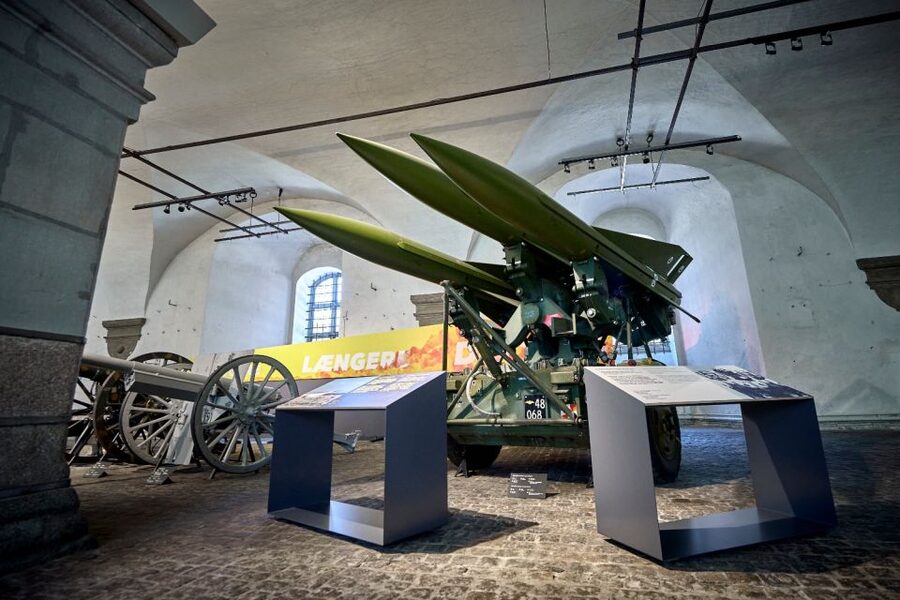
The museum continues into the 20th century, including World War II and the Cold War. These sections bring the country’s military story closer to the world many visitors recognize from family memories, school lessons, and modern politics.
World War II shows Denmark within a conflict that reshaped Europe. The Cold War then shifts the focus toward a long period of tension, military readiness, and the threat of a conflict that did not become a direct world war.
The value of these sections is their place in the larger sequence. You can compare older wars fought with visible armies and close-range weapons with a later period shaped by modern military systems and the fear of escalation.
The displays also prepare you for the museum’s final move into current conflicts. Denmark’s military story does not stop in 1945 or 1989. It continues into international operations and questions about how a small country takes part in wars far from home.
Afghanistan through a military vehicle
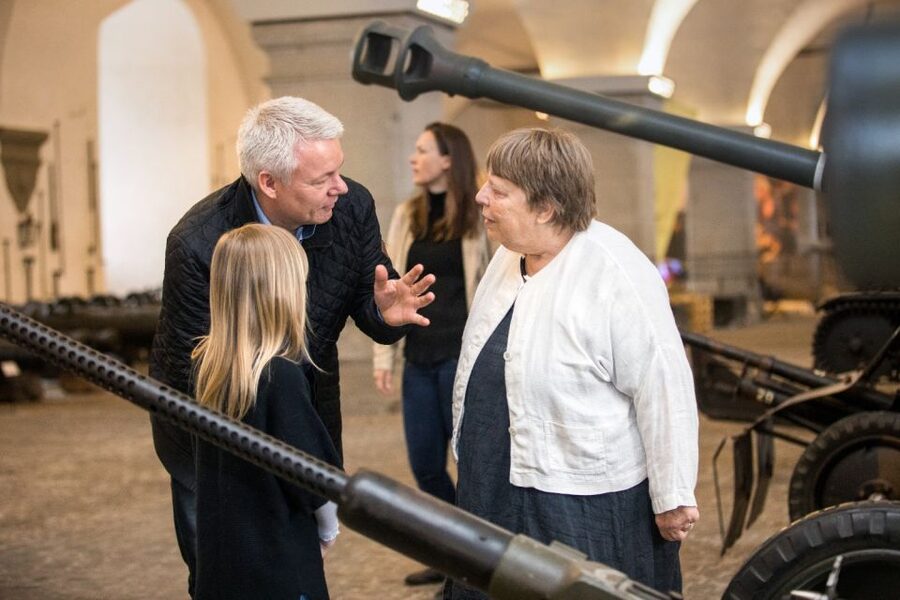
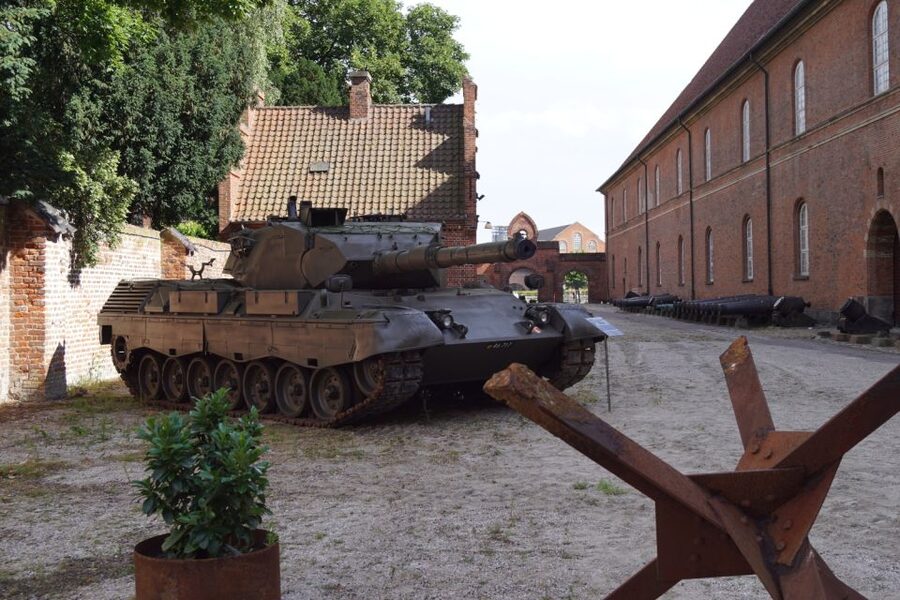
One of the most striking modern objects is a military car that ran over a roadside bomb in Afghanistan, while everyone inside survived. That detail gives the vehicle a human weight that a standard equipment display might lack.
You are looking at a machine built to protect people in a dangerous setting, not simply an old car placed behind a barrier. The story also shows how modern warfare affects the design of vehicles, roads, patrols, and daily decisions.
This is likely to be one of the museum’s strongest links between an object and a specific event. The vehicle lets you think about the people who relied on it, the dangers they faced, and the technology intended to bring them home.
The Afghanistan section brings Denmark’s military involvement into the present day. It also adds balance to the older displays. You are not only looking at conflicts that ended centuries ago. Some of the museum’s subjects remain part of recent public debate and personal memory.
The drone exhibition asks difficult questions
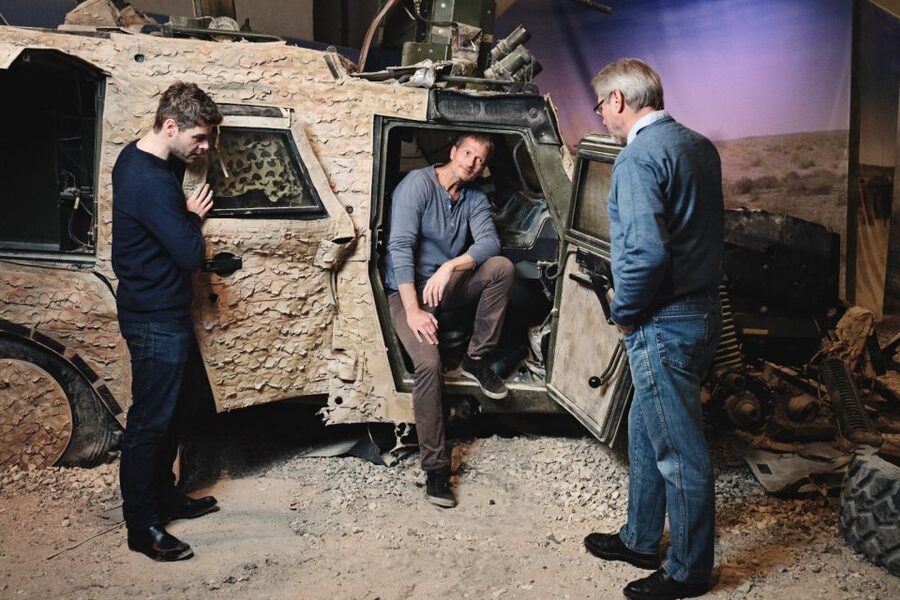
The new exhibition about drones is among the most relevant parts of the museum for a modern audience. It asks how unmanned aircraft have changed warfare and how they may shape future battlefields.
The subject is easy to recognize from news reports and videos showing drone surveillance and attacks in Ukraine and other war zones. The museum focuses on what this technology means for soldiers and civilians, especially in places where cameras and sensors can monitor people constantly.
The exhibition also raises a harder question: could drones become autonomous killing machines? It asks whether future weapons might operate without a person making each individual decision.
Another practical question concerns defense. Can the systems used by the Danish military today stop a drone attack? The display does not treat drones as distant science fiction. It connects them to current military planning and to the fear created when no place seems fully hidden from surveillance.
I appreciate this kind of exhibit because it does not let the museum become a collection of settled historical facts. The drone section asks you to think about choices still being made. It also gives younger visitors a subject they may already know from current events, while placing that subject in a wider military context.
What the $20 ticket gives you
At about $20 per person, the ticket is a fair value if you have an interest in military history, Danish history, or museums with unusual objects. You receive access for one day, not a guided tour or a special activity outside the museum.
The value comes from the breadth of the collection and the building itself. You get the 1604 Arsenal, a 163-meter hall, centuries of armor and weapons, modern vehicles, maritime stories, and a current discussion of drones in one visit.
The ticket may feel less worthwhile if you only want a quick look at one famous object. This is a museum for connecting sections and periods. Its strongest effect comes from seeing how Denmark’s wars and military systems changed over time.
A visit also makes more sense if you have room in your schedule to read and pause. The museum’s high rating of 4.7 from 106 reviews reflects a strong overall response, and the exhibits are laid out in a way that makes the collection easy to follow. Still, your enjoyment will depend on how much time you want to give the subject.
Who will enjoy this museum most
You should consider the Danish War Museum if you like:
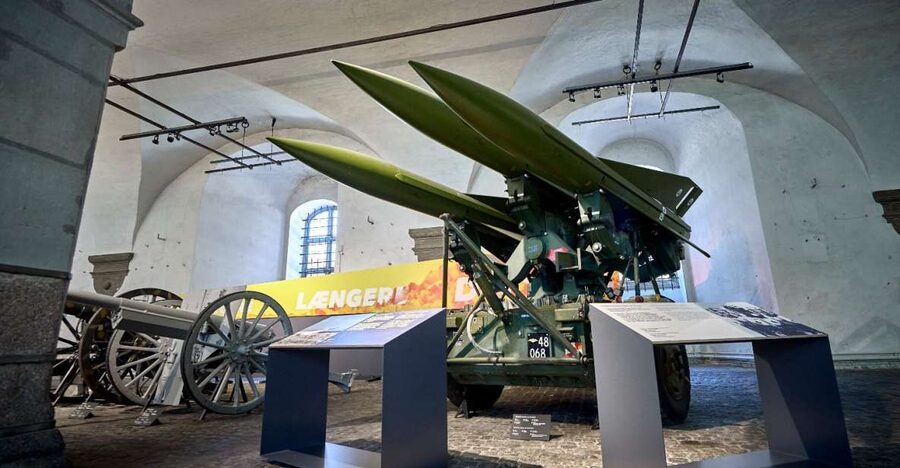
- Military equipment, armor, uniforms, and historic weapons
- Danish and European history
- Museums in original historic buildings
- Displays that connect old conflicts with current events
- Unusual objects with a personal or everyday story
- Family attractions that include listening and storytelling, not only reading
The museum can also work for a mixed-interest group. Someone fascinated by weapons can focus on the equipment, while another person can spend more time with the ship model, the old biscuit, the American Civil War uniform, or the drone questions.
It may be less suitable if stairs are difficult for you. The museum is working on access problems, but there is currently no elevator to the first-floor exhibitions. You may bring your own wheelchair or baby carriage, yet the lack of lift access remains an important limitation.
A practical way to plan your visit
Start with the building and the full length of the first-floor hall. This helps you understand the museum’s layout before you stop at individual cases.
Next, move through the historical sequence from the 1500s toward the present. Give extra time to the armor, the Swedish and English conflicts, World War II, and the Cold War. These sections provide the backbone of the collection.
Then slow down for the unusual objects. The bone ship model, 150-year-old biscuit, and complete American Civil War uniform are the sort of pieces you may remember later because they are harder to predict.
Use the hammock area as a real pause. Listen to the Danish stories from the seven seas rather than treating the space as decoration.
Finish with Afghanistan and the drone exhibition. Ending with current warfare changes the mood of the visit. You leave thinking not only about what weapons looked like in the past, but also about how surveillance, remote attacks, and automated systems may change war next.
Should you book the Danish War Museum?
Book it if you want a substantial museum visit with a strong building, a clear timeline, and both traditional and modern military displays. The price is reasonable for the range of material, especially if you take time with the 163-meter hall and the unusual personal objects.
I would be cautious if first-floor access is essential for you, because there is no elevator. For everyone else, this is a solid choice for a day in Copenhagen, particularly when you want something more specific than a general city museum. The armor draws you in, the strange objects keep the visit human, and the drone exhibition gives the final rooms a serious modern purpose.
FAQ
Where is the Danish War Museum located?
It is located in the Zealand Region of Denmark, inside the historic Tøjhus, or Arsenal, building.
How much does admission cost?
The entry ticket costs about $20 per person.
How long is the ticket valid?
The ticket is valid for one day.
What period does the museum cover?
The exhibitions cover Danish military history from the 1500s to the present, including the war in Afghanistan.
What is special about the first-floor hall?
The first-floor hall is 163 meters long and is described as the longest room in the Nordic region.
Can I see armor at the museum?
Yes. The museum displays armor and weapons, including the shining armor used by 15th-century Danish knights.
Does the museum cover World War II and the Cold War?
Yes. Exhibitions explain how both World War II and the Cold War affected Denmark.
What unusual objects can I see?
The collection includes a ship model made from bones, a 150-year-old biscuit, a military vehicle from Afghanistan, and the world’s only complete example of a uniform from the American Civil War.
Does the museum have an exhibition about drones?
Yes. A current spot exhibition examines how drones have changed warfare and how they may affect future battlefields.
Is there elevator access to the first-floor exhibitions?
No. There is currently no elevator to help visitors reach the first floor. You may bring your own wheelchair or baby carriage.
Just added in Copenhagen
- Copenhagen City & Christiansborg Palace Private Walking Tour★ 4.6 · 23 reviews
- Copenhagen Craft BeerWalk City Center★ 4.4 · 3 reviews
- Copenhagen: Express Walk with a Local in 60 minutes★ 4.6 · 3 reviews
- Copenhagen Christianshavn Walking Tour★ 5.0 · 5 reviews
- Copenhagen: Canal Boat Cruise & Old Town/Nyhavn Walking Tour★ 4.5 · 4 reviews
- Copenhagen: 3 Hour Extended Grand E-Bike Guided Tour★ 4.6 · 3 reviews
- Copenhagen: 3-hour Private Guided Bike Tour★ 4.7 · 6 reviews
- Best of Copenhagen Biking Tour-3 Hours, Small Group max 10★ 4.9 · 10 reviews
Attraction Tickets, compared.





Browse the lists this tour appears in