
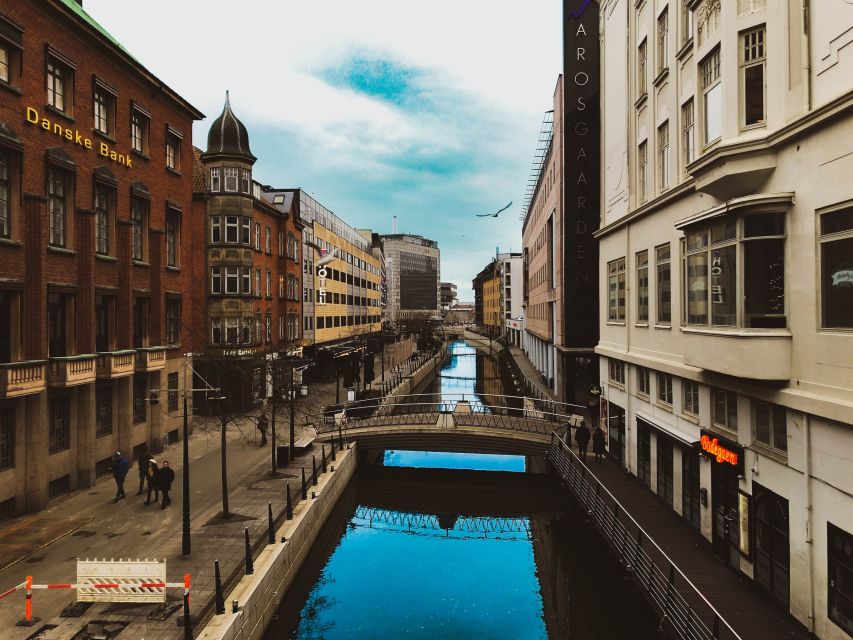
Reviewed · COPENHAGEN WALKING TOURS
Aarhus: Surprise City Walking Tour with Local Guide
Aarhus reveals itself best on foot, and this route links the city’s oldest quarter with street art, a crooked little lane, Denmark’s tallest church, and its modern public library. In 90 minutes, you get a brisk first look at how old and new Aarhus sit side by side.
I like the focus on Latinerkvarteret and Møllestien, where cobblestones and narrow lanes give the city real character. I also like the mix of art, architecture, and civic life, from the Skovgaardsgade bus station to Dokk1. The main concern is value: at $128 per person, the tour needs a strong guide to feel more useful than a good guidebook and a self-guided walk.
Key points at a glance
- Latinerkvarteret opens the tour with Aarhus’s oldest streets, historic buildings, and narrow alleys.
- Skovgaardsgade bus station adds a local art stop that many standard city walks might skip.
- Møllestien is a short but memorable cobblestoned lane, ideal for photos and a change of pace.
- Aarhus Cathedral gives the walk a major landmark, with Denmark’s tallest church rising above the center.
- Dokk1 shows modern Aarhus, with books, public spaces, and a lively cultural setting.
- Guide quality matters here, since some guides have offered excellent cultural and political background while others provided only basic commentary.
A quick route through old and new Aarhus

This is a compact city walk rather than a museum tour or food excursion. You spend about 90 minutes moving between public streets and landmarks, listening to a local guide explain what you are seeing.
The route has a useful shape. It begins in the old center, moves through a more unusual art stop, passes one of Aarhus’s prettiest lanes, reaches the cathedral, and ends at Dokk1, the city’s modern library. That progression gives you a simple way to understand Aarhus: medieval and early urban streets at one end, contemporary public design at the other.
You will not receive food, drinks, or snacks, so plan this as a sightseeing walk. If you want to taste local dishes, ask your guide for suggestions during the tour, then eat afterward. The guide may know the city well, but meals are not part of the booking.
More guided walks in Aarhus
- Aarhus Walking Tour: From Viking Village to Metropolis
★ 4.8 · 122 reviews - Aarhus Walking Tour: Explore Top Sights & Hidden Gems
★ 4.0 · 34 reviews - Aarhus Private Walking Tour with a Local
★ 4.0 · 12 reviews
Latinerkvarteret, where Aarhus feels oldest
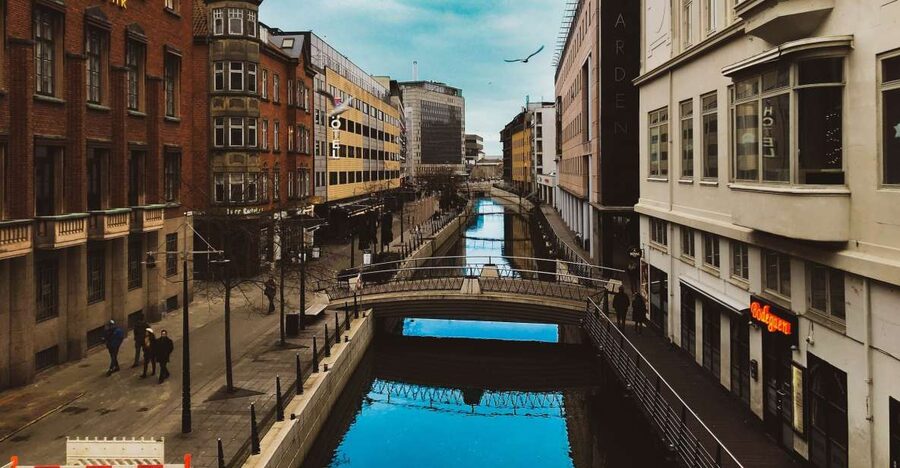
The first major stop is Latinerkvarteret, the oldest part of Aarhus. This is the section of the walk where the city’s past is easiest to feel. Cobblestone streets, older façades, and narrow alleys create a close, walkable setting that rewards looking above shopfront level.
I like starting here because it gives you context before the route turns to newer parts of the city. The quarter is not simply a backdrop for photographs. It is where your guide can explain how Aarhus developed and how the old center fits into the modern city.
Expect a walking pace that allows for short explanations and questions. A private or small-group format can help here, especially if you want to ask about Danish life, local customs, or the city’s political system. Mikel, one guide associated with this experience, was praised for giving useful information about Danish culture and politics. That is the sort of added context that can make this tour worth its price.
Still, do not assume every guide will offer the same depth. One private tour felt more like a pleasant stroll than a history lesson, with basic questions left unanswered. If background and detailed interpretation are important to you, ask questions early and let the guide know what interests you.
Skovgaardsgade bus station and its unexpected art
The stop at the Skovgaardsgade bus station changes the mood. Instead of old masonry and quiet lanes, you get an urban setting decorated with an eclectic collection of artwork.
This is a smart inclusion because it points you toward Aarhus as a living city, not just a collection of preserved buildings. A bus station is part of daily life, and seeing art in that setting gives you a glimpse of how culture appears outside formal galleries.
The stop may appeal most to visitors who like public art and modern city details. It is also a useful photo break. Keep your phone charged, as the tour specifically recommends bringing one, and this is the sort of place where you may want to capture colors, shapes, or unusual design details.
Do not expect a long gallery visit. The attraction here is the setting and the contrast with Latinerkvarteret. The guide’s comments are likely to determine how much you get from it. With an engaged guide, the artwork can open a conversation about local creativity and public spaces. With minimal commentary, it may feel like a quick stop that you could have found on your own.
Møllestien gives you Aarhus’s prettiest pause
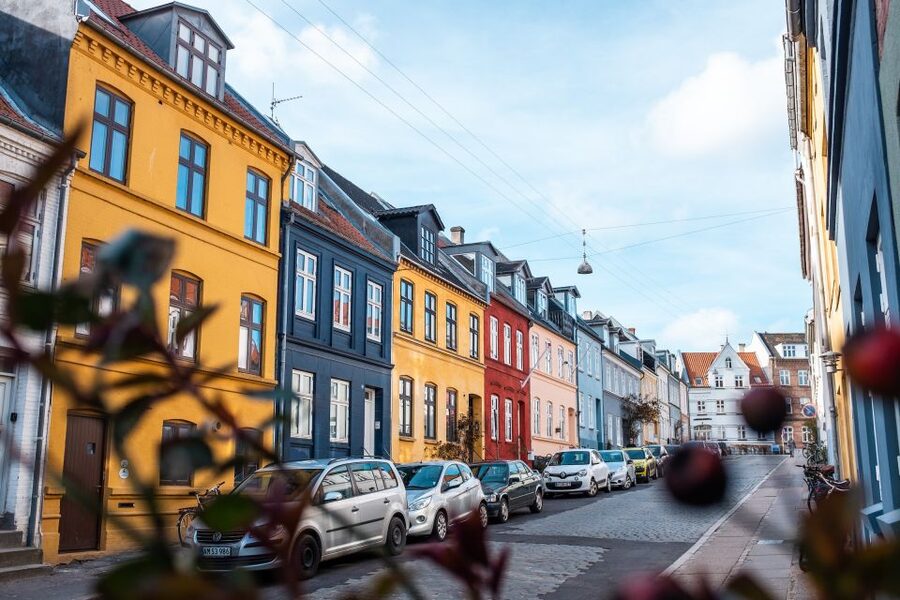
Møllestien is one of the most charming parts of the route. Its cobblestones and quaint scale make it feel far removed from the wider streets nearby.
This is a short stop, but it has strong visual appeal. I would slow down here, look at the details of the lane, and take a few photographs before moving on. The street works especially well after the bus station because the change is so clear: modern public art gives way to a quieter, older-looking corner of town.
The surface is also worth considering. Cobblestones can be awkward in smooth-soled shoes, and the activity is not considered suitable for people with mobility impairments. Wear supportive shoes with a good grip. This advice matters more than it sounds, since the walk includes several old streets and is done entirely on foot.
Møllestien is a good example of the tour’s strengths and limits. It provides a memorable place that is easy to miss when you are rushing between major attractions. But it does not require a long visit, so the guide’s storytelling is what adds real value.
A few more tours around Aarhus worth a look
- The Ancient Viking Stronghold of Aros: A Self-Guided Audio Tour in Aarhus
★ 4.0 · 36 reviews - Aarhus Self guided Mystery hunt Sabotage in Danish
★ 4.5 · 3 reviews - Copenhagen: Canal Cruise with Guide
★ 4.6 · 9,115 reviews - Copenhagen: Highlights 3 Hour Bike Tour with a Local Guide
★ 4.8 · 2,312 reviews
Aarhus Cathedral rises over the city center
The walk then takes you to Aarhus Cathedral, Denmark’s tallest church. Its height gives the city center a strong visual anchor, and looking up from the surrounding streets is one of the route’s clearest landmark moments.
The cathedral adds scale after the intimate feel of Møllestien. You move from a narrow lane to a major religious and architectural landmark, which helps show how Aarhus grew around important civic and religious buildings.
The supplied details do not promise an interior visit, so treat this as an exterior stop unless your guide tells you otherwise. That distinction matters. If you are expecting a full church tour, ask before booking or at the start of the walk.
This is also a place where a local guide can add useful context. You might learn about the cathedral’s place in Aarhus, its importance to the skyline, or the way it relates to the old center. The experience is strongest when the guide does more than name the building and move on.
Dokk1 closes the walk with modern public life
The final stop is Dokk1, Aarhus’s public library and cultural center. It provides a clear counterpoint to the old quarter and cathedral.
Dokk1 is not included simply as a place to see books. It represents the city’s modern public life, where reading, culture, and shared civic space meet. Ending here gives the tour a forward-looking finish instead of leaving you with only old streets and historic buildings.
I like this choice because it helps you see Aarhus as a city that values both heritage and new public design. You can compare the atmosphere of Dokk1 with the narrow lanes at the beginning of the walk and come away with a better sense of the city’s range.
The description does not specify a guided interior program, so your experience may depend on how much time the guide spends there. If you want to explore the library properly, you may need to return on your own. The walk’s purpose is to introduce the setting, not provide an extended library visit.
How much value do you get for $128?
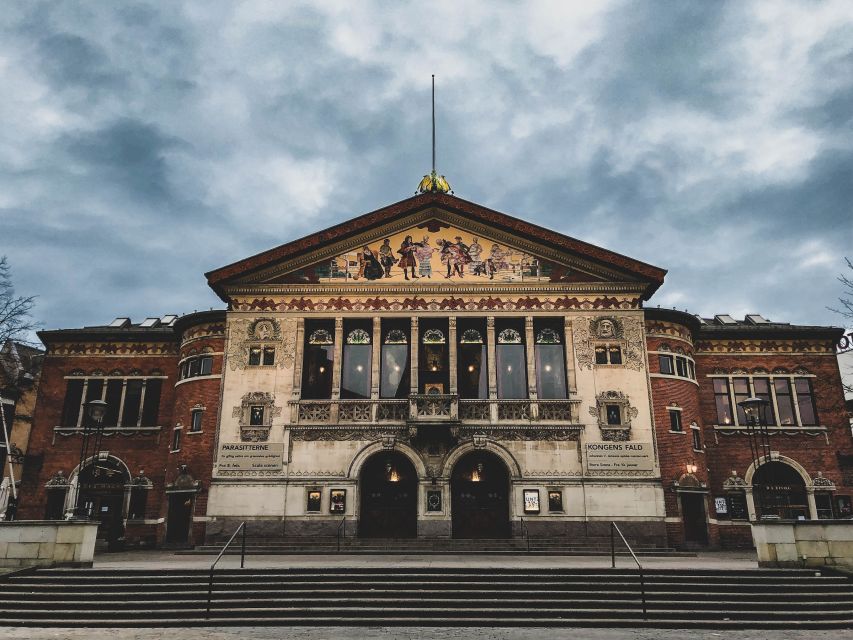
At $128 per person, this is an expensive 90-minute walk if you judge it only by the number of sights. Latinerkvarteret, Møllestien, Aarhus Cathedral, and Dokk1 can all be found without booking a tour. The price needs to cover more than directions.
The best value comes from a private or small-group guide who adjusts the walk to your interests and explains the city in a way that a phone map cannot. One guide was described as flexible about what the group wanted to see, while Mikel received praise for explaining Danish culture and the political system. That kind of conversation can justify a higher price, especially on a first day in Aarhus.
The weaker value appears when the walk becomes a simple route between familiar sights. A private booking can feel overpriced if the guide cannot answer basic questions or provides little history. The experience has a wide range of possible quality, so the guide is more important than any single stop.
I would book it if you are arriving in Aarhus with limited time and want a local introduction without committing to a half-day program. I would hesitate if you prefer museums, detailed historical talks, or food tastings. None of those are included.
Private, small-group, and language choices
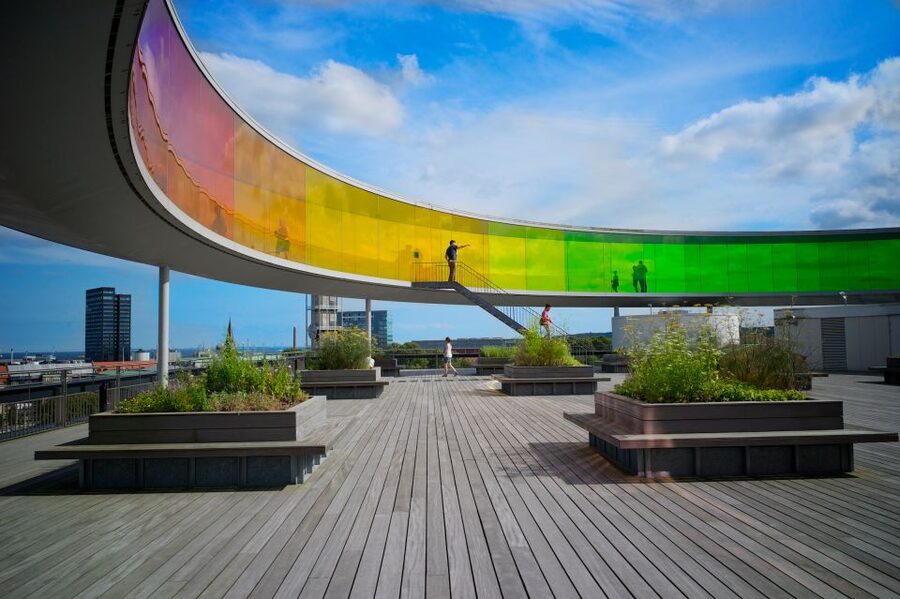
You can book a private or small-group format, and the live tour is offered in English or Danish. For most international visitors, English is the practical choice. Danish-speaking visitors may prefer the local-language option.
A private format can be useful if you want to ask many questions or shape the conversation around architecture, Danish society, public art, or local politics. It can also reduce the risk of a rigid one-size-fits-all route. But private does not automatically mean expert. The quality of the individual guide still matters.
Named guides connected with the experience include Mikel and Kate. Kate was described as a lovely guide, while Mikel was praised for cultural and political information. Guide assignments can change, so consider those names examples rather than a guarantee that one of them will lead your walk.
The overall feedback record is mixed, with a 4.2 rating from nine ratings. That feels fair: the route itself is appealing, but the commentary can range from excellent to fairly ordinary. I would book with realistic expectations and take an active role in the conversation.
Weather, shoes, and the limits of a walking tour
This experience depends heavily on the weather. One outing took place in very heavy rain, and an indoor program would have been more comfortable. Since the route is outdoors and includes cobblestones, a wet day can change the entire mood and make walking less pleasant.
Check the forecast before setting out. Comfortable shoes are essential, and a charged smartphone is recommended. The phone is useful for photographs, maps, and keeping in touch with the meeting details, although the supplied information does not specify a particular meeting point.
The tour is not suitable for people with mobility impairments. That warning should be taken seriously because the route includes cobblestoned streets and a continuous 90-minute walk. If you need frequent seating, smooth paving, or an accessible route, this may not be the right choice.
Free cancellation is available up to 24 hours before the start, and you can reserve now while paying later. Those terms help if your Aarhus plans depend on weather or a changing schedule, but they do not solve the basic issue of rain during the walk.
Who will enjoy this Aarhus introduction?
This tour suits first-time visitors who want to get their bearings quickly. In 90 minutes, you see several different sides of the city without spending the day inside one attraction.
It is also a good match for visitors who enjoy street scenes, architecture, public art, and conversations about local life. The combination of Latinerkvarteret, Skovgaardsgade, Møllestien, the cathedral, and Dokk1 gives you plenty of variety.
I would especially consider it for:
- Couples or families wanting a private introduction to central Aarhus
- Visitors with only a short stay
- People who prefer walking and conversation to a formal museum tour
- Guests interested in Danish culture, politics, and urban life
- Anyone who wants ideas for what to explore afterward
I would choose something else if your priority is food, a long historical lecture, a cathedral interior tour, or a fully indoor activity. This is a city orientation walk, not a complete survey of Aarhus.
Should you book this 90-minute city walk?
Book it if you want a fast, local introduction and can make good use of a flexible guide. The route has real variety, and the contrast between Latinerkvarteret and Dokk1 gives the walk a clear story. Møllestien and the public art stop add personality beyond the usual major sights.
The price is harder to defend if the guide provides only basic facts. Before the walk begins, tell the guide whether you care most about architecture, Danish politics, local art, or practical suggestions for the rest of your stay. That simple step may turn a pleasant stroll into a useful introduction.
I would call this a worthwhile but guide-dependent experience. Choose it for the local conversation and compact route, not because every stop requires a paid tour. Go in good weather, wear sturdy shoes, and expect the most value when your guide brings the city to life with more than names and directions.
FAQ
How long is the Aarhus walking tour?
The tour lasts 90 minutes.
Which languages are available?
The live guide is available in English and Danish.
Is the tour private or shared?
Private and small-group options are available.
What sights are included?
The route includes Latinerkvarteret, Skovgaardsgade bus station, Møllestien street, Aarhus Cathedral, and Dokk1 public library.
Are food and drinks included?
No. Personal expenses, food, drinks, and snacks are not included.
What should I bring?
Bring a charged smartphone and comfortable shoes. The activity is not suitable for people with mobility impairments.
Just added in Aarhus
- Time travel in Aarhus★ 4.5 · 18 reviews
- Surprise Walk of Aarhus with a Local★ 4.5 · 4 reviews
- Aarhus Private Walking Tour with a Local★ 4.0 · 12 reviews
- Aarhus Self guided Mystery hunt Sabotage in Danish★ 4.5 · 3 reviews
- Explore Aarhus in 60 minutes with a Local★ 4.0 · 14 reviews
- Aarhus: Express Walk with a Local in 60 minutes★ 4.8 · 3 reviews
- Aarhus: Insta-Perfect Walk with a Local★ 4.9 · 4 reviews
- Aarhus: 1 or 1,5 Hour Boat Rental – No License Required★ 4.3 · 8 reviews
Copenhagen Walking Tours, compared.

Group Walking Tour – City Highlights – 2 Hours
Read our review →
3h walking tour, small group max 10 people Copenhagen
Read our review →
Copenhagen Walking Tour: Highlights and Hygge w/Lunch
Read our review →
Browse the lists this tour appears in